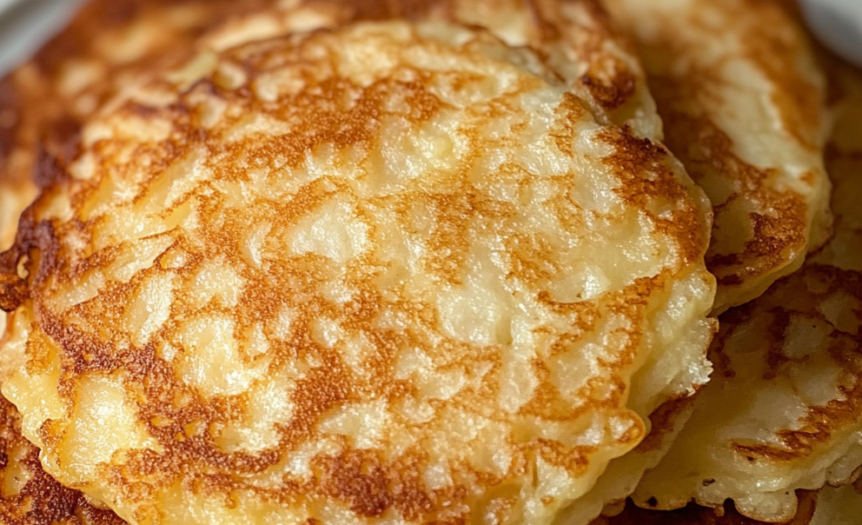
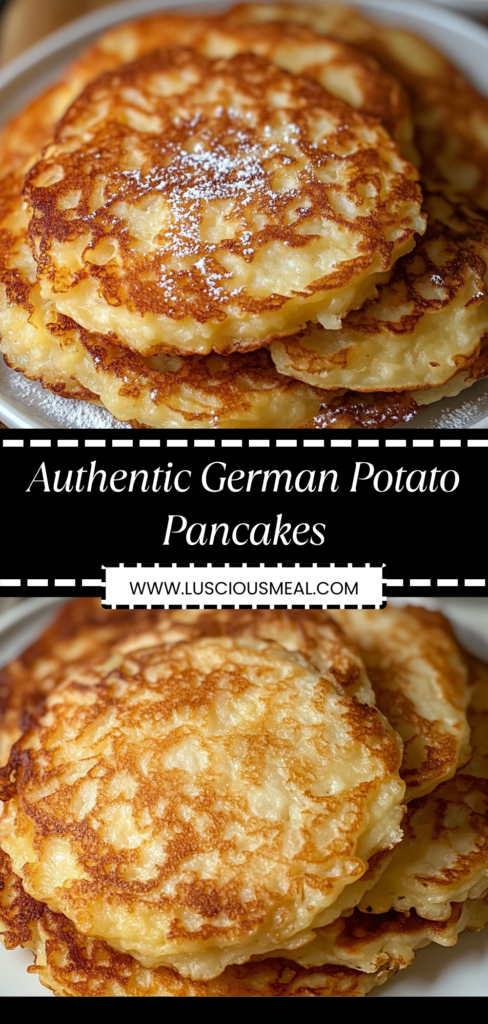
Crispy, lacy edges surrounding tender potato centers create the ultimate comfort food connecting generations through time-honored technique. These authentic German potato pancakes transform humble root vegetables into crave-worthy fritters perfect for breakfast, dinner, or special holiday gatherings. The delightful contrast between their crackling golden exterior and soft interior creates something far more special than basic potato dishes. I first learned this recipe from my German grandmother who insisted that proper technique, not fancy ingredients, creates the most memorable food experiences.
Why You’ll Love This Recipe
• Creates authentic European delicacy with minimal ingredients • Delivers perfect textural contrast between crispy and tender • Makes impressive side dish or vegetarian main course • Provides homestyle comfort with sophisticated presentation • Offers versatile serving options for any mealtime
My neighbor initially questioned whether homemade potato pancakes could truly deliver the distinctive texture she remembered from childhood visits to her German relatives. After tasting these crispy-yet-tender pancakes, she immediately asked for the recipe and has since made them for her own family gatherings. Sometimes respecting traditional methods creates the most genuine flavor experiences when simple ingredients transform through proper technique.
Simple Ingredients
• Starchy potatoes provide perfect texture foundation • Yellow onion introduces essential aromatic depth • Fresh eggs bind components while adding richness • All-purpose flour helps structure without heaviness • Baking powder creates subtle lightness throughout • Vegetable oil ensures proper crisping without burning • Fresh herbs add aromatic brightness when desired • Salt enhances potato flavor while drawing out moisture • Black pepper introduces gentle warmth throughout
Potato selection dramatically impacts your final result. I prefer starchy Russet potatoes for their lower moisture content which creates superior crispness, though Yukon Golds offer excellent results with slightly less flour required. The critical element remains drawing out excess moisture before cooking, as waterlogged potatoes create soggy rather than crispy pancakes. My grandmother always emphasized that potato preparation determines textural success more than cooking technique, wisdom that proves especially relevant when creating dishes where potato texture defines the entire experience.
Preparation Method
Prepare The Potatoes Peel potatoes completely, then grate using large holes of box grater or food processor attachment. This consistent grating ensures proper texture throughout pancakes rather than uneven chunks. Immediately transfer grated potatoes to large bowl filled with cold water, which prevents browning while beginning starch removal process essential for proper texture development.
Remove Excess Moisture Drain soaked potatoes thoroughly, then transfer to clean kitchen towel or cheesecloth. Gather corners creating secure bundle, then twist and squeeze repeatedly with significant pressure to extract maximum liquid. This critical moisture removal prevents steaming during cooking that would undermine crispness. After initial squeezing, open bundle and fluff potatoes slightly before repeating process, often extracting surprising additional moisture.
Combine With Aromatics Grate onion using same grater setting as potatoes, creating consistent texture throughout mixture. Combine wrung-out potatoes and onion in large bowl, tossing to distribute evenly. The onion provides essential flavor while contributing moisture that helps bind components without waterlogging finished pancakes. Work quickly after moisture extraction to prevent potatoes from discoloring through oxidation.
Create Binding Mixture In separate small bowl, whisk eggs thoroughly until slightly frothy, then add flour, salt, pepper, and baking powder, continuing to whisk until completely smooth without visible flour lumps. This separate preparation ensures even distribution of binding agents throughout potato mixture rather than pockets of raw flour. Pour egg mixture over potatoes, folding gently but thoroughly using spatula rather than vigorous stirring which would release additional unwanted starch.
Heat Cooking Surface Properly Heat heavy-bottomed skillet, preferably cast iron, over medium heat until thoroughly hot. Add generous amount of vegetable oil, creating approximately 1/8-inch layer covering bottom completely. Proper oil temperature proves essential for creating signature texture—too cool creates greasy, soggy pancakes while too hot burns exteriors before interiors cook through. Test readiness by dropping small potato piece into oil; immediate gentle sizzling without smoking indicates perfect temperature.
Form Perfect Pancakes Using 1/4-cup measure or large spoon, scoop potato mixture, then flatten slightly with back of implement before carefully sliding into hot oil. Avoid overcrowding pan which lowers oil temperature and creates steaming rather than frying. Work in batches, maintaining consistent oil temperature throughout cooking process. For traditional preparation, keep pancakes relatively thin (approximately 1/4-inch) rather than thick potato cakes for authentic textural experience.
Cook With Patience Allow cooking undisturbed until edges develop visible golden-brown coloration extending approximately 1/3 into pancake surface, typically 3-4 minutes depending on heat and moisture content. This patience creates essential structural integrity for successful flipping. Turn carefully using thin spatula, pressing gently after flipping to ensure complete contact with cooking surface. Continue cooking until second side matches first in golden coloration, approximately 2-3 additional minutes.
Maintain Proper Temperature Transfer finished pancakes to paper towel-lined plate or baking sheet, creating single layer without stacking which would trap steam and soften crisp exteriors. For larger batches, hold completed pancakes in 200°F oven on wire rack over baking sheet, allowing air circulation that maintains crispness while keeping warm. Adjust oil level and temperature between batches as needed, removing any burned particles which would impart bitter flavor to subsequent pancakes.
My first attempt at my grandmother’s recipe taught me important lessons about moisture content. Inadequate potato drying created soggy, greasy pancakes despite proper cooking temperature. Subsequent batches with thorough moisture extraction delivered the perfect crispy texture that makes these pancakes exceptional. Cultural recipes often contain unwritten techniques passed through generations rather than simply following ingredient lists.
You Must Know
• Thoroughly squeezing potatoes removes significantly more liquid than expected • Consistent, moderately high heat creates proper exterior without burning • Thinner pancakes develop better textural contrast than thicker versions • Grating onions rather than chopping distributes flavor more completely • Allowing batter to rest creates soggier rather than crisper pancakes
My teenage daughter, typically unimpressed by “old-fashioned” recipes, surprised everyone by requesting these potato pancakes specifically for her birthday breakfast. She particularly appreciated their crispy edges compared to standard breakfast potatoes, noting they were “fancy enough” for special occasions while still delivering comfort food satisfaction. Creating foods that bridge generational gaps provides particular pleasure when introducing traditional recipes to younger family members.
Authentic Serving Traditions
These versatile pancakes welcome various serving methods reflecting different German regional traditions. Serve alongside eggs for breakfast interpretation with optional fresh herbs mixed into batter. Create savory dinner by topping with sour cream and chives or applesauce for traditional sweet-savory contrast. For Hanukkah celebrations (where similar potato pancakes are known as latkes), serve with applesauce and sour cream following Jewish tradition. Consider Bavarian-style presentation with mushroom gravy for hearty autumn dinner. For casual gatherings, arrange on platter with various toppings allowing guests to customize their experience.
Dietary Adaptations
This traditional recipe welcomes thoughtful modifications accommodating various dietary needs. Gluten-free adaptation substitutes rice flour or gluten-free blend for all-purpose flour with minimal textural change. Egg-free version utilizes flax eggs (ground flaxseed mixed with water) providing both binding and subtle nutty flavor enhancement. Lower-fat preparation reduces oil quantity while utilizing non-stick cooking surface, though texture becomes less authentically crisp. Herb-enhanced variations incorporate chopped fresh parsley, chives, or dill into base mixture for aromatic complexity. For onion-sensitive individuals, substitute grated carrot or zucchini which provides moisture and flavor while changing overall profile.
Make-Ahead Strategies
Proper planning transforms these fresh-cooked treats into convenient options for entertaining. Prepare completely, then freeze in single layer on baking sheet until solid before transferring to freezer container with parchment between layers. Reheat frozen pancakes directly on baking sheet in 375°F oven until thoroughly warmed and recrisped, approximately 10-15 minutes. For partial preparation, grate potatoes up to one hour ahead, keeping submerged in cold water until final wringing and mixing. Prepare all remaining ingredients separately, combining just before cooking for freshest possible result without last-minute effort.
Chef Techniques
• Use potato starch that settles at bottom of soaking water as additional binder • Test oil temperature with wooden spoon handle; small bubbles indicate readiness • Consider specialized potato ricer for maximum moisture extraction
These authentic German potato pancakes exemplify how proper technique transforms humble ingredients into truly special eating experiences connecting us with cultural traditions. While I appreciate innovative culinary creations, these traditional pancakes demonstrate that respecting historical methods often yields more satisfaction than reinvention. The magic happens through understanding ingredient properties—how potato starch behaves, how moisture affects texture, how heat transforms simple components—rather than complicated additions or substitutions. After countless batches refined through both successes and learning experiences, this recipe continues proving that honoring traditional techniques often creates the most memorable food experiences connecting generations through shared culinary heritage.