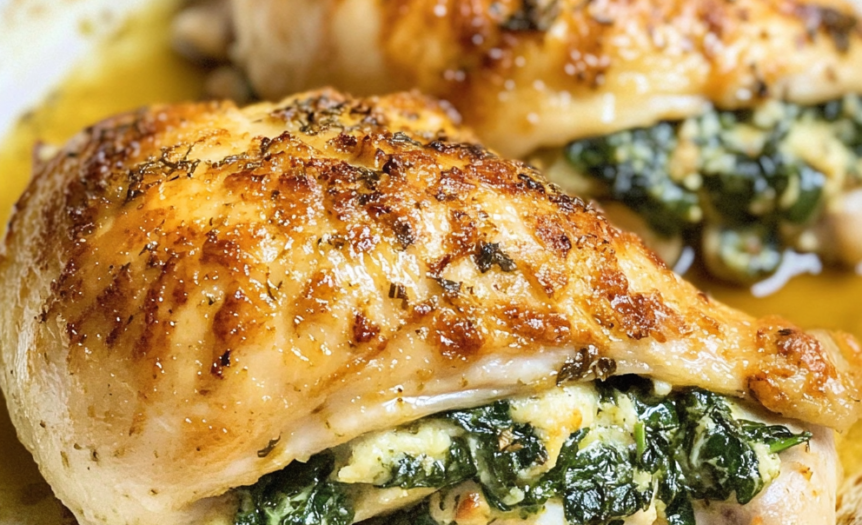
Tender chicken breasts filled with creamy spinach mixture create an impressive dinner ready in just 30 minutes. This spinach stuffed chicken transforms everyday ingredients through simple technique into a protein-rich meal that feels special while requiring minimal effort. The delightful combination of juicy chicken, vibrant spinach, and melted cheese creates a complete dish that satisfies without excessive preparation. I first developed this recipe during a particularly busy week when seeking elegant dinner options that wouldn’t demand hours in the kitchen.
Why You’ll Love This Recipe
• Creates restaurant-quality presentation with everyday ingredients • Delivers complete protein-vegetable combination in single dish • Makes impressive dinner option for both weeknights and guests • Provides naturally low-carbohydrate meal without sacrificing flavor • Offers endless customization possibilities for different tastes
My neighbor initially questioned whether stuffed chicken could truly be weeknight-friendly given her previous experiences with complicated versions. After learning this streamlined technique during a casual cooking gathering, she immediately added it to her monthly rotation. Sometimes strategic preparation creates not only efficient but superior results to traditional methods through focused attention on essential techniques rather than unnecessary complexity.
Quality Ingredients
• Boneless chicken breasts provide perfect protein vessel • Fresh spinach offers vibrant color and nutritional density • Cream cheese creates rich, binding base for filling • Parmesan cheese contributes savory depth throughout • Fresh garlic infuses aromatic punch impossible with powder • Mozzarella adds stretchy, melty texture throughout filling • Italian seasoning introduces herbal complexity without individual additions • Smoked paprika enhances color while adding subtle smokiness • Lemon zest brightens heavy flavors with citrus notes
Chicken selection dramatically impacts your final result. I prefer uniformly sized breasts approximately 6-8 ounces each, which create perfect portion while maintaining ideal cooking time. Taking time to select similarly sized pieces ensures consistent cooking throughout without dry edges or undercooked centers. My butcher emphasized that butterfly cutting requires initial thickness consideration rather than length, wisdom that proves especially relevant when creating dishes where even cooking determines overall success.
Preparation Method
Prepare The Filling Wilt fresh spinach in large skillet with small amount of olive oil, cooking just until bright green and softened without excessive moisture release. This brief cooking concentrates flavor while maintaining vibrant color impossible with frozen alternatives. Allow cooling slightly before squeezing thoroughly to remove excess moisture that would create watery filling. Chop cooked spinach to create easily distributed pieces throughout cream cheese base.
Create Flavorful Mixture Combine softened cream cheese with pressed garlic, grated Parmesan, Italian seasoning, and optional red pepper flakes in medium bowl until thoroughly integrated. Add prepared spinach, folding gently to distribute evenly throughout creamy base. This careful incorporation creates consistent flavor throughout filling rather than uneven distribution. Consider adding lemon zest for bright counterpoint against rich dairy components.
Prepare The Chicken Pat chicken breasts completely dry with paper towels, then place on cutting board with hand flat atop each piece. Using sharp knife, cut horizontal pocket into thickest side of each breast, creating deep cavity while leaving approximately 1/2-inch border intact on three sides. This careful cutting creates maximum filling capacity while maintaining structural integrity necessary for cooking process.
Season With Intention Season both exterior and interior pocket with salt and pepper, creating flavor foundation directly against protein rather than relying solely on filling for complete seasoning. This thorough seasoning develops depth impossible through surface treatment alone. Consider additional chicken-complementary spices like garlic powder, paprika, or dried herbs for enhanced flavor profile.
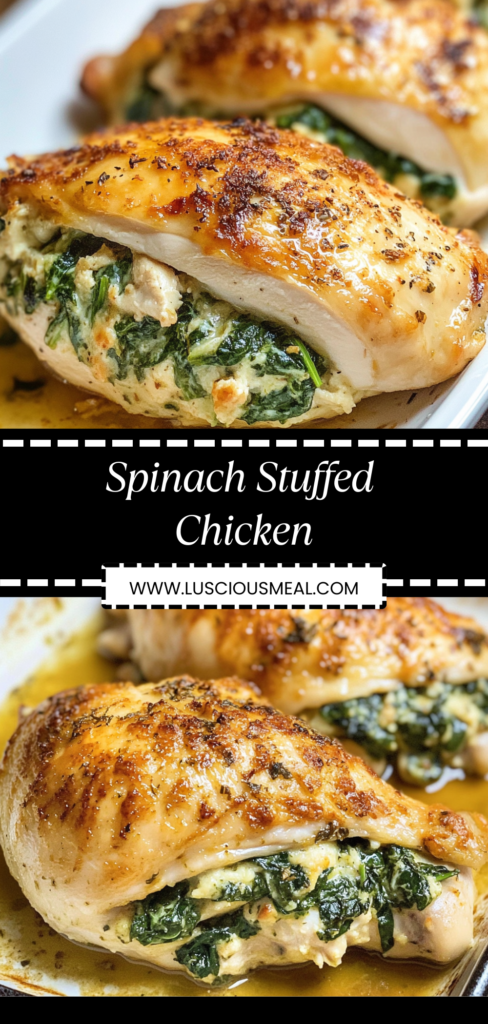
Fill Strategically Divide prepared spinach mixture evenly between prepared chicken breasts, pressing filling firmly into each pocket without overstuffing which would cause spillage during cooking. Close opening slightly by overlapping edges without using toothpicks, simplifying both cooking and eating experience. This careful filling creates substantial stuffed breast while maintaining practical preparation.
Sear For Flavor Development Heat oven-safe skillet over medium-high heat until hot, then add small amount of olive oil. Place stuffed chicken presentation-side down initially, creating golden crust that enhances both flavor and appearance. Allow cooking undisturbed approximately 3-4 minutes until golden before carefully turning to second side. This patient searing creates fundamental flavor impossible through oven-only preparation.
Finish With Gentle Heat Transfer skillet directly to preheated oven, continuing cooking process through gentle ambient heat rather than direct contact. This two-phase cooking creates beautifully seared exterior while ensuring complete interior cooking impossible through stovetop methods alone. Cook until internal temperature reaches 165°F (74°C) at thickest point, typically 15-18 minutes depending on size.
Rest Before Serving Allow cooked chicken resting 5 minutes before slicing or serving, permitting juices to redistribute throughout protein rather than escaping when cut immediately. This brief patience creates significantly juicier final result without additional effort. For presentation enhancement, consider slicing partially across stuffed breasts to reveal colorful filling while maintaining structural integrity.
My first attempt at this recipe taught me important lessons about moisture control. Using inadequately drained spinach created watery filling that leaked during cooking, while excessive squeezing created dry, separate filling rather than creamy integration. Subsequent batches with proper moisture removal delivered the perfect creamy texture that makes this dish exceptional. Cooking often teaches valuable lessons through experiences that initially seem disappointing but lead to improved technique.
You Must Know
• Thoroughly drying chicken before cutting creates cleaner, easier preparation • Properly wilted spinach requires significant moisture removal for best results • Softened cream cheese incorporates ingredients more uniformly than cold • Two-phase cooking creates superior flavor and texture compared to single-method preparation • Internal temperature verification ensures food safety without overcooking
My teenage son, typically skeptical of vegetable-forward dishes, surprised everyone by requesting this spinach stuffed chicken for his birthday dinner. He particularly appreciated how the creamy cheese “disguised” the spinach while creating a substantially satisfying meal. Converting selective eaters provides particular satisfaction when introducing nutrient-dense foods through strategic preparation that emphasizes complementary flavors rather than isolated vegetable presence.
Filling Variations
This versatile preparation welcomes thoughtful modifications while maintaining its fundamental appeal. Mediterranean variation incorporates sun-dried tomatoes, feta, and olives for distinctive regional flavor profile. Southwest adaptation features pepper jack cheese with chopped green chilies replacing some spinach for mild heat throughout. Mushroom enhancement includes finely diced sautéed mushrooms creating earthy depth alongside spinach. Artichoke interpretation blends chopped artichoke hearts with traditional spinach for distinctive tangy notes. For special occasions, consider incorporating small amount of crab or cooked bacon into standard filling for elevated indulgence without excessive preparation.
Serving Suggestions
This complete protein-vegetable entrée requires minimal accompaniments while creating satisfying meal experience. Serve alongside simple roasted vegetables like asparagus or cherry tomatoes for complementary color and nutrition without competing flavors. Consider cauliflower rice or mashed cauliflower for low-carbohydrate, vegetable-forward foundation that absorbs flavorful pan juices. For traditional presentation, offer small portion of rice pilaf or roasted potato wedges to complete hearty meal. When entertaining, consider preparing double batch arranged on bed of wilted spinach for elegant presentation with minimal additional effort. Complete meal with simple side salad dressed with light vinaigrette for fresh counterpoint against rich chicken.
Make-Ahead Strategies
Proper planning transforms this impressive dish into convenient option for busy schedules. Prepare filling completely up to three days ahead, storing in airtight container in refrigerator. Cut and stuff chicken breasts up to 24 hours before cooking, arranging in baking dish covered tightly with plastic wrap. For partially prepared freezer meals, stuff raw chicken completely, then flash freeze on baking sheet until solid before transferring to freezer containers for storage up to three months. Thaw completely in refrigerator before cooking as directed, adding approximately 5-7 minutes to cooking time for thoroughly chilled chicken.
Chef Techniques
• Score top of stuffed breast with knife for more even cooking • Use kitchen string for larger fillings rather than toothpicks • Consider pounding thicker parts of breast before cutting pocket for more even cooking
This spinach stuffed chicken exemplifies how thoughtful preparation transforms simple ingredients into truly satisfying meals without complicated techniques or extensive time investment. While I appreciate elaborate culinary creations on occasion, this straightforward recipe demonstrates that impressive dining can emerge through strategic flavor building rather than complexity. The magic happens through understanding fundamental principles—proper moisture control, two-phase cooking, balanced seasoning—rather than exotic ingredients or complicated methods. After countless variations refined through both successes and learning experiences, this recipe continues proving that some of the most satisfying meals come from honoring quality ingredients through simple, thoughtful preparation.