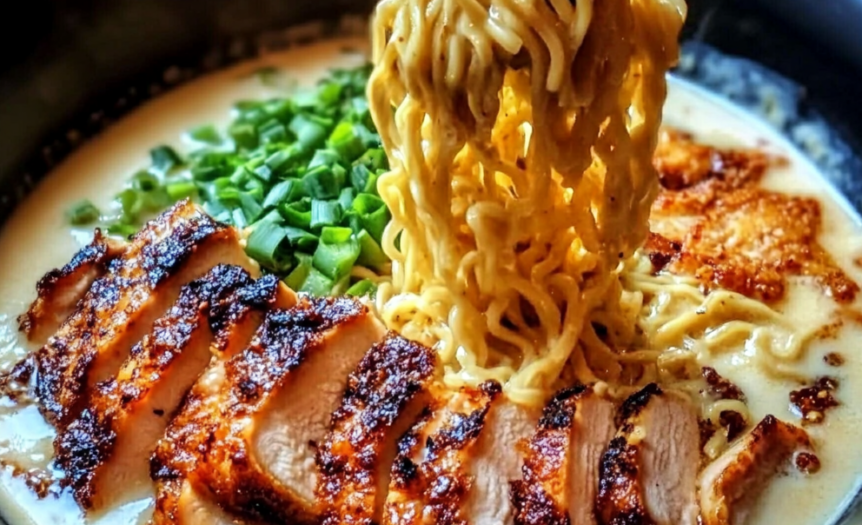
This fiery chicken ramen combines the comforting warmth of traditional ramen with bold heat and a rich, creamy garlic sauce that transforms instant noodles into a restaurant-quality meal. The tender chicken absorbs the spicy flavors while the garlic sauce adds luxurious richness that balances the heat perfectly, creating a bowl that’s both satisfying and exciting. If you enjoy this style of elevated comfort food, you might also like spicy Korean ramyeon, dan dan noodles, or other Asian-inspired dishes that combine heat with creamy elements.
Why You’ll Love This Recipe
- Instant noodle upgrade – transforms basic ramen into a gourmet experience using simple additions that dramatically elevate flavor and satisfaction
- Perfect heat balance – delivers serious spice that builds gradually while the creamy sauce provides cooling relief, creating an addictive eating experience
- Quick weeknight solution – comes together in under 30 minutes using accessible ingredients, making it perfect for busy evenings when you want something special
- Customizable intensity – easily adjustable heat levels and toppings allow everyone to enjoy their perfect version while maintaining the essential character
Ingredients Breakdown
Instant ramen noodles: The convenient base that provides the familiar chewy texture and quick cooking time that makes this dish accessible. Choose good-quality instant ramen – brands like Shin Ramyun, Sapporo Ichiban, or even Maruchan work well. Discard the flavor packets and use fresh ingredients to build superior flavor. The noodles should be slightly underdone when removed from the water, as they’ll continue cooking in the hot broth and sauce. Fresh ramen noodles can substitute for even better texture if available.
Chicken thighs: The ideal protein choice due to their higher fat content and superior flavor that stands up to bold spices. Boneless, skinless thighs cook quickly and remain tender even if slightly overcooked, making them perfect for this fast-moving dish. Cut them into bite-sized pieces for quick cooking and easy eating. The dark meat provides more flavor than breast meat and pairs beautifully with spicy seasonings. If using chicken breasts, be careful not to overcook them.
Fresh garlic: Essential for the creamy sauce that defines this dish, providing pungent flavor that mellows into sweet nuttiness when cooked. Use plenty of fresh garlic rather than pre-minced for the best flavor and aroma. The garlic gets cooked twice – first when building the sauce and again when everything comes together, creating layers of garlic flavor throughout. Mince it finely to ensure even distribution and prevent burning during the quick cooking process.
Heavy cream: Creates the luxurious, creamy sauce that balances the heat while adding richness and body to the broth. Heavy cream with 35-36% fat content works best and won’t curdle when added to the hot, spicy broth. Don’t substitute with milk or half-and-half, which lack the fat content necessary for proper consistency and may break when heated with acidic or spicy ingredients. The cream should be added gradually and at the right temperature.
Gochujang and chili garlic sauce: Provide the complex heat that gives this ramen its fiery character. Gochujang offers fermented depth and moderate heat, while chili garlic sauce adds brightness and intensity. The combination creates more interesting heat than using just one type of spicy ingredient. Start with less and adjust upward – these sauces can vary significantly in heat level between brands. The fermented elements also add umami depth that enhances the overall flavor profile.
Step-by-Step Instructions
- Heat 2 tablespoons of vegetable oil in a large skillet or wok over medium-high heat until shimmering. The pan should be hot enough that the chicken sizzles immediately when added, which ensures proper browning and flavor development. A wide pan allows the chicken to brown rather than steam, creating better texture and taste.
- Season 1 pound of bite-sized chicken thigh pieces with salt and pepper, then add to the hot oil in a single layer. Don’t overcrowd the pan, which would cause steaming rather than browning. Cook for 4-5 minutes without moving the pieces, allowing them to develop a golden crust that adds flavor and helps them hold together during the remaining cooking process.
- Add 4 minced garlic cloves, 1 tablespoon grated fresh ginger, and 2-3 sliced green onions (white parts only, reserving green parts for garnish) to the pan with the chicken. Stir-fry for 30-60 seconds until fragrant but not browned. The aromatics should release their essential oils without burning, creating the flavor foundation for the entire dish.
- Add 2 tablespoons gochujang, 1 tablespoon chili garlic sauce (adjust based on heat preference), and 1 tablespoon soy sauce to the pan. Stir quickly to coat the chicken evenly with the spicy mixture. Cook for 1-2 minutes until the sauces darken slightly and become fragrant. This brief cooking concentrates the flavors and helps the spices adhere to the chicken.
- Meanwhile, bring a large pot of water to boil and cook 2 packages of instant ramen noodles according to package directions, but reduce the cooking time by 1 minute so they remain slightly firm. Drain the noodles, reserving 1 cup of the starchy cooking water for later use. The starch in the pasta water helps bind the sauce and creates better texture.
- Reduce heat under the chicken to medium-low and slowly add 1/2 cup heavy cream, stirring constantly to prevent curdling. The cream should integrate smoothly with the spicy mixture, creating a rich, orange-colored sauce. If the mixture seems too thick, add some of the reserved pasta water to achieve the desired consistency.
- Add the drained noodles to the pan with the creamy chicken mixture, tossing gently to coat everything evenly. The noodles should absorb some of the sauce while maintaining their texture. Add pasta water as needed to create a glossy, coating consistency that clings to the noodles without being too thick or too thin.
- Taste and adjust seasoning with additional gochujang for heat, soy sauce for saltiness, or a squeeze of lime juice for brightness. The balance should be spicy but not overwhelming, with the cream providing enough richness to balance the heat. Each component should be discernible but harmonious.
- Remove from heat and divide between serving bowls. The residual heat will continue to warm the dish without overcooking the noodles. Garnish with the reserved green onion tops, sesame seeds, and any other desired toppings like soft-boiled eggs, nori, or additional chili sauce for those who want extra heat.
- Serve immediately while the noodles are hot and the sauce is at its optimal consistency. Provide chopsticks and spoons for the most authentic eating experience, and have tissues handy for the heat-sensitive diners who might need them.
Perfect Texture: What to Look For
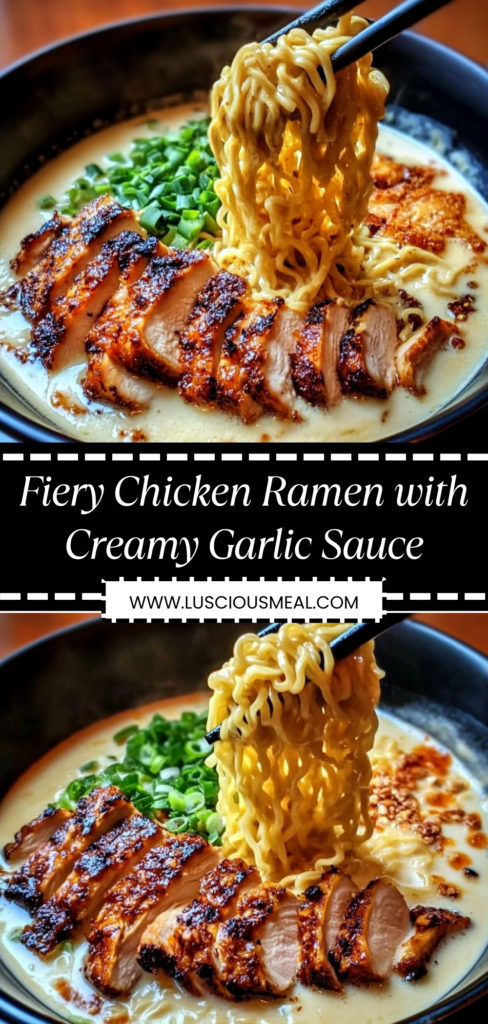
The ideal fiery chicken ramen should have perfectly cooked noodles that maintain slight chewiness while being thoroughly coated with the creamy, spicy sauce. The chicken should be tender and well-seasoned, with each piece carrying the complex heat and garlic flavors throughout. The sauce should be smooth and creamy without being too thick or thin – it should coat the noodles generously but not pool in the bottom of the bowl. The heat should build gradually as you eat, with the cream providing enough richness to balance the spice without masking it completely. Each slurp should deliver the satisfying combination of chewy noodles, tender protein, and bold flavors that make this dish addictive.
Customization Options
This versatile base recipe adapts beautifully to different preferences and available ingredients. For vegetarians, substitute the chicken with firm tofu, tempeh, or mushrooms that have been seared until golden. Add vegetables like baby bok choy, snap peas, or corn for extra nutrition and color. For even more heat, include fresh sliced jalapeños or Thai chilies. Create different flavor profiles by adding miso paste for umami depth, or coconut milk instead of heavy cream for a different richness. Top with soft-boiled eggs, crispy seaweed, or roasted peanuts for additional texture and flavor complexity.
Practical Tips
Heat management: Start with less spicy sauce than you think you need – you can always add more, but you can’t remove heat once it’s added. Different brands of gochujang and chili garlic sauce vary significantly in intensity, so taste as you go and adjust accordingly.
Cream incorporation: Add the cream slowly while stirring constantly to prevent curdling. If the pan is too hot, remove it from heat briefly before adding the cream. The mixture should be warm but not boiling when the cream goes in for the smoothest results.
Noodle timing: Cook the noodles just until they’re slightly underdone, as they’ll continue cooking when tossed with the hot sauce. This prevents them from becoming mushy while ensuring they absorb the flavors properly.
Storage and reheating: This dish is best consumed immediately, but leftovers can be stored for 1-2 days. Reheat gently with a splash of broth or cream to restore the sauce consistency, as the noodles will absorb liquid during storage.
Common Questions
Can I make this less spicy without losing flavor? Yes, reduce the amount of gochujang and chili garlic sauce by half, then add more soy sauce and garlic for flavor depth. You can also increase the cream slightly to further balance any remaining heat while maintaining the rich, satisfying character.
What if I can’t find gochujang? Substitute with sriracha mixed with a small amount of miso paste, or use double the amount of chili garlic sauce. The flavor will be different but still delicious. Asian markets typically carry gochujang, or it can be ordered online for authentic results.
Can I use different types of noodles? Fresh ramen noodles, udon, or even spaghetti can substitute, though cooking times will vary. Adjust the liquid amounts based on the noodle type – thicker noodles may need more sauce to coat properly.
How do I prevent the sauce from breaking? Keep the heat moderate when adding cream, stir constantly, and add the cream gradually. If the sauce does break, remove from heat and whisk in a tablespoon of cold cream or a splash of the pasta cooking water to help re-emulsify.
Serving Suggestions
This intense, flavorful dish works best as the star of the meal, requiring little accompaniment beyond perhaps some cooling elements. Serve with crisp cucumber slices, pickled vegetables, or a simple salad to provide refreshing contrast to the rich, spicy noodles. Cold beer or iced tea complements the heat beautifully, while hot green tea provides a traditional pairing that enhances rather than competes with the complex flavors.
For a complete meal experience, consider starting with light appetizers like edamame or vegetable dumplings that won’t compete with the bold main dish. The rich, satisfying nature of this ramen means smaller portions are often sufficient, especially when preceded by lighter foods. Have extra napkins and water available for guests who might underestimate their heat tolerance.
Nutritional Benefits
This upgraded ramen provides substantially better nutrition than standard instant noodles by incorporating fresh protein and vegetables while controlling sodium levels through homemade seasonings. The chicken thighs contribute complete protein, iron, and B vitamins essential for energy metabolism. The garlic provides beneficial sulfur compounds that may support immune function and cardiovascular health.
The fermented elements in gochujang offer probiotics that support digestive health, while the capsaicin in chili peppers may boost metabolism and provide anti-inflammatory benefits. The heavy cream, while indulgent, provides fat-soluble vitamins and helps with the absorption of nutrients from the other ingredients. By making this dish at home, you control the sodium content and avoid the preservatives found in commercial instant ramen seasonings, creating a more balanced meal that satisfies both comfort food cravings and nutritional needs.