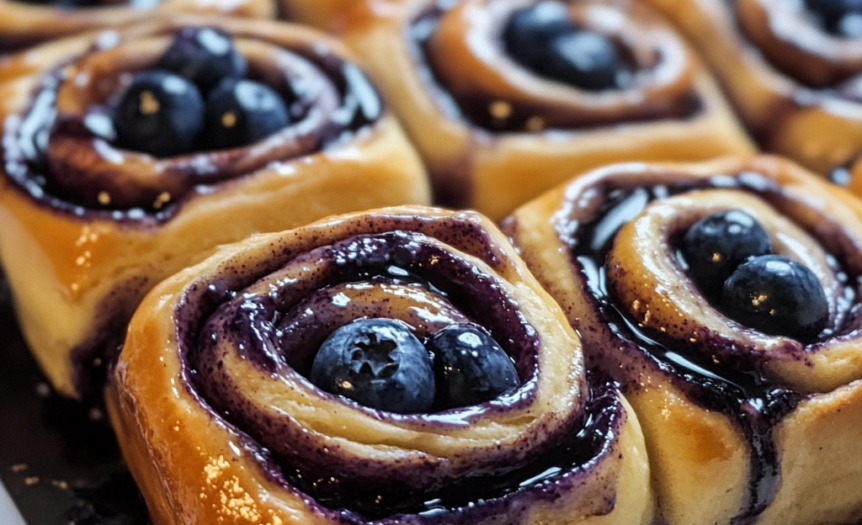
These blueberry cinnamon swirls combine the comforting aroma of warm cinnamon with bursts of juicy blueberries wrapped in flaky, buttery layers that pull apart with satisfying ease. They require less effort than traditional cinnamon rolls while delivering an equally impressive result that’s perfect for weekend breakfasts or brunch gatherings. If you enjoy these fruit-filled pastries, you might also like apple cheese danish, raspberry cream cheese rolls, or classic cinnamon buns with a twist.
Why You’ll Love This Recipe
- Impressive without the fuss – uses store-bought puff pastry to eliminate the need for making dough from scratch, cutting preparation time in half while still creating bakery-worthy results
- Make-ahead friendly – can be assembled the night before and baked fresh in the morning, perfect for stress-free entertaining or holiday breakfasts when you want to enjoy company rather than manage cooking
- Adaptable for seasons – works beautifully with frozen blueberries year-round, but can be customized with whatever berries or stone fruits are in peak season
- Perfect balance of flavors – the combination of tangy blueberries, warm spices, and buttery pastry creates a complex flavor profile that appeals to both berry lovers and cinnamon roll enthusiasts
Ingredients Breakdown
Puff pastry: The foundation of this recipe, providing those irresistible flaky layers without the time-intensive process of making laminated dough from scratch. Store-bought puff pastry sheets work perfectly here – look for versions made with real butter for the best flavor and texture. For optimal results, thaw the pastry in the refrigerator overnight rather than at room temperature, which can cause the layers to fuse together if it gets too warm. The cold dough should be pliable enough to roll without cracking but still cool to the touch. If it becomes sticky or too soft while you’re working with it, return it to the refrigerator for 15-20 minutes to firm up again.
Blueberries: These little flavor bombs provide pockets of juicy sweetness and vibrant color throughout the swirls. Fresh blueberries offer the brightest flavor and maintain their shape well during baking, creating distinct bursts of berry in each bite. However, frozen blueberries work remarkably well as a year-round alternative – the key is to use them straight from the freezer without thawing, which prevents excess moisture from making the pastry soggy. Wild blueberries, whether fresh or frozen, have more intense flavor and smaller size that distributes beautifully throughout the rolls. For the best texture in the finished pastry, avoid crushing the berries when mixing with other filling ingredients, which can lead to a runny filling that seeps out during baking.
Cinnamon sugar mixture: This classic combination creates the warm, aromatic foundation that makes these swirls so comforting. Using brown sugar rather than granulated adds depth with its molasses notes that complement the berries perfectly. The ratio of sugar to cinnamon matters – too much cinnamon can become bitter and overwhelming, while too little gets lost among the other flavors. For the perfect balance, use 3 parts brown sugar to 1 part cinnamon, measured by volume. Adding a pinch of freshly grated nutmeg enhances the cinnamon’s warmth without announcing itself as a separate flavor. This spice mixture gets spread directly onto the buttered pastry, where it will caramelize slightly during baking to create both flavor and a sticky-sweet texture.
Butter: Serves multiple crucial functions in this recipe beyond just adding richness. When spread directly on the pastry sheet, it helps the cinnamon sugar mixture adhere properly and creates a barrier that prevents the berry juices from making the pastry soggy. As the swirls bake, the butter melts and mingles with the escaping berry juices and sugar to form a naturally thickened sauce in the bottom of the pan. For the filling, use unsalted butter at room temperature that spreads easily without tearing the delicate pastry. The butter should be soft enough to spread in an even, thin layer but not so warm that it’s melting.
Glaze components: The finishing touch that brings these swirls from homemade to bakery-quality. A simple mixture of powdered sugar, vanilla, and enough milk to create a pourable consistency provides the perfect sweet counterpoint to the tangy berries. The acidity in fresh lemon juice or cream cheese cuts through the overall sweetness while adding brightness that makes the flavors pop. For the smoothest glaze, sift the powdered sugar before mixing to eliminate any lumps, and add liquid ingredients gradually until you reach a consistency that’s thick enough to hold its shape briefly when drizzled but thin enough to spread slightly.
Step-by-Step Instructions
- Begin by removing your puff pastry from the refrigerator about 15 minutes before you plan to start working with it. The dough should be cold but pliable – leaving it out just long enough to take the chill off makes it easier to roll without activating the butter layers too much. While waiting, prepare your work surface by lightly dusting it with flour and gathering all your other ingredients so they’re ready to use. This preparation ensures you can work efficiently once the pastry reaches the ideal temperature.
- In a medium bowl, combine 3/4 cup packed light brown sugar with 1 tablespoon ground cinnamon, 1/4 teaspoon freshly grated nutmeg (optional), and a pinch of salt. The salt might seem counterintuitive in a sweet filling, but it’s essential for enhancing the other flavors without making the pastry taste salty. Use your fingers to break up any lumps in the brown sugar and ensure the spices are evenly distributed throughout the mixture. This thorough mixing prevents pockets of straight cinnamon, which can taste bitter and powdery rather than aromatic and sweet.
- Carefully unfold the thawed but still cold puff pastry sheet onto your lightly floured surface, taking care not to crack it along the fold lines. If small cracks do appear, lightly dampen your fingertips and gently press the dough back together – the moisture helps the pastry resettle without compromising its structure. Using a rolling pin, gently roll the pastry into a rectangle approximately 12 by 16 inches, keeping an even thickness throughout. Roll with light pressure from the center outward, rather than back and forth, to maintain the distinct layers that create flakiness.
- Spread 3 tablespoons of softened unsalted butter in an even, thin layer across the entire surface of the pastry, leaving about a 1/2-inch border along one long edge. This bare edge will be used to seal the roll closed. The butter layer serves multiple purposes – it adds richness, helps the cinnamon sugar adhere to the pastry, and creates a moisture barrier that prevents berry juice from making the pastry soggy during baking. Make sure the butter is soft enough to spread without tearing the pastry but not so warm that it starts to melt.
- Sprinkle the cinnamon-sugar mixture evenly over the buttered surface, gently pressing it into the butter with your fingertips or the back of a spoon to ensure it adheres well. Distribute the mixture all the way to the edges (except for that 1/2-inch bare border on one long side), creating an even layer rather than concentrating it in the center. This complete coverage ensures that every bite of the finished swirls contains the perfect amount of cinnamon sweetness.
- Scatter 1 1/2 cups of fresh or frozen blueberries evenly over the cinnamon sugar layer. If using frozen berries, do not thaw them first – the extra moisture released from thawing would make the pastry soggy. For the most even distribution, gently press larger berries into the cinnamon sugar mixture slightly, which helps them stay in place when rolling and prevents them from falling out at the ends. Aim for a single layer of berries rather than piling them up, which helps create balanced flavor in every bite and prevents excess juice from compromising the texture.
- Starting with the long edge opposite your bare border, carefully begin rolling the pastry away from you into a tight log shape. Use both hands and work gradually across the length rather than rolling from just the center, which helps maintain an even thickness throughout. The key is finding the balance between rolling tightly enough to prevent gaps but gently enough that you don’t squash the berries and release their juice prematurely. If the pastry starts to stick to your work surface, use a thin offset spatula or bench scraper to gently release it.
- When you reach the bare edge, lightly brush it with water or a beaten egg to help create a secure seal when rolled. Pinch the seam gently but firmly along the entire length to ensure it stays closed during baking. Position the log seam-side down on your work surface to further secure the seal. If the log has become warm or soft during this process, place it on a parchment-lined baking sheet and refrigerate for 15 minutes to firm up before slicing, which helps maintain clean cuts without squashing the rolls.
- Using a sharp knife (not a serrated one, which can tear the pastry), slice the log into 12 equal pieces, each about 1 to 1 1/2 inches thick. Between cuts, wipe your knife clean to prevent dragging berry juice through the pastry, which can create messy edges. For the most even slices, mark the log at the halfway point, then mark each half into 6 equal portions before cutting. If the log flattens slightly during cutting, gently reshape each slice into a round.
- Arrange the slices cut-side up in a buttered 9×13-inch baking dish, leaving about 1/2 inch between each piece to allow room for expansion. At this point, you can either proceed with baking or cover the dish tightly with plastic wrap and refrigerate overnight for morning baking. If planning to bake the next day, remove the dish from the refrigerator and let it stand at room temperature for 20-30 minutes while the oven preheats.
- Preheat your oven to 375°F (190°C) and position a rack in the center. Bake the swirls for 25-30 minutes until they’re puffed and golden brown, with the filling bubbling slightly at the edges. The exact timing will depend on your oven and whether the swirls were baked directly after assembly or refrigerated overnight. The puff pastry should rise dramatically and show distinct layers with golden edges. If the tops begin to brown too quickly before the centers are done, loosely cover the dish with aluminum foil for the remaining baking time.
- While the swirls are baking, prepare the glaze by whisking together 1 cup powdered sugar, 1/2 teaspoon vanilla extract, and enough milk or cream (about 1-2 tablespoons) to create a thick but pourable consistency. For a tangy variation that complements the blueberries beautifully, substitute 2 tablespoons softened cream cheese and 1 teaspoon lemon juice for some of the milk. The glaze should coat the back of a spoon but still flow slowly when drizzled.
- Allow the baked swirls to cool in the pan for 5-10 minutes before drizzling with glaze. This brief cooling period allows the filling to set slightly so it doesn’t run out when served, but the pastries are still warm enough for the glaze to partially melt into the nooks and crannies. Apply the glaze while the swirls are still warm but not hot – around 10 minutes out of the oven is ideal. For the most attractive presentation, use a spoon to drizzle the glaze in a zigzag pattern across the tops, or fill a small zip-top bag with glaze, snip off a tiny corner, and pipe it decoratively.
Perfect Texture: What to Look For
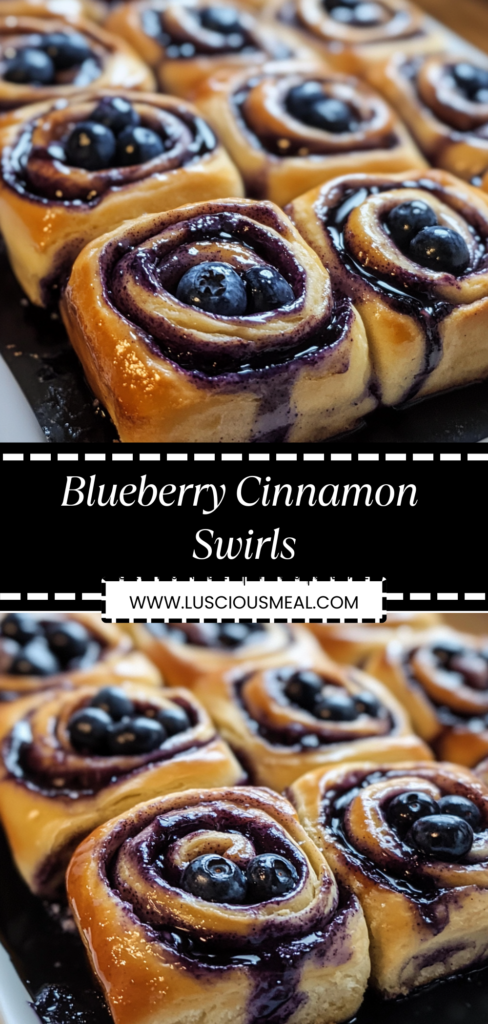
The hallmark of successful blueberry cinnamon swirls is the contrast between the crisp, flaky exterior of the puff pastry and the tender, gooey interior where the berries and cinnamon sugar have created pockets of jammy sweetness. The pastry should show distinct layers with golden edges that shatter slightly when bitten. Inside, the filling should be set rather than runny, with blueberries that have softened but still maintain their shape rather than dissolving completely into the surrounding matrix. The bottom of each roll typically captures some of the melted butter, sugar, and berry juice, creating a naturally sticky, sauce-like coating that adds another dimension of texture and flavor.
Customization Options
This versatile recipe serves as an excellent canvas for seasonal variations and personal preferences. For a citrus brightness that enhances the blueberries, add 1 teaspoon of lemon or orange zest to the cinnamon sugar mixture. Create a mixed berry version using equal parts blueberries, raspberries, and blackberries for a more complex fruit flavor. For added texture and nutty depth, sprinkle 1/3 cup of finely chopped toasted pecans or walnuts over the cinnamon sugar before adding the berries. During apple season, substitute thinly sliced apples tossed with a squeeze of lemon juice for the blueberries, increasing the cinnamon slightly to complement the fruit swap. For a more decadent version, scatter 1/4 cup of white chocolate chips among the blueberries before rolling.
Practical Tips
Storage: These swirls are best enjoyed fresh from the oven when the pastry is at its flakiest, but leftovers can be stored in an airtight container at room temperature for up to 2 days. The pastry will gradually absorb moisture from the filling, softening over time but remaining delicious. To refresh day-old swirls, warm them in a 300°F oven for 5-7 minutes, which helps restore some of the exterior crispness without drying them out completely. Avoid storing in the refrigerator, as this accelerates the staling process for pastry.
Reheating: For the best texture when reheating leftover swirls, avoid the microwave, which can make the pastry soggy and unevenly heated. Instead, place them in a toaster oven or conventional oven at 300°F for about 5 minutes until warmed through. If the glaze has hardened too much, add a small fresh drizzle after reheating. Individual swirls can also be wrapped in foil before reheating to prevent further browning while still allowing them to warm through.
Make-ahead strategy: These swirls offer excellent make-ahead flexibility. The most efficient approach is preparing the entire recipe up to the point of baking, then covering the sliced rolls in their baking dish and refrigerating overnight. The next morning, simply allow them to stand at room temperature for about 30 minutes while the oven preheats, then bake as directed. This method actually improves the texture, as the filling has time to marry with the butter and sugar, and the cold pastry creates even more dramatic puffing when it hits the hot oven.
Berry management: If using frozen berries, keep them frozen until the last possible moment before sprinkling them over the filling. The colder they remain, the less juice they’ll release during assembly. For fresh berries, if they’re particularly juicy, consider tossing them with 1 teaspoon of cornstarch before adding them to the filling – this will help thicken any released juices during baking without affecting the flavor. Regardless of whether you use fresh or frozen, avoid the temptation to use more berries than called for, as excess moisture can prevent the pastry from baking properly.
Common Questions
Can I make these entirely in advance and freeze them for later baking? Yes, these swirls freeze beautifully before baking. Prepare the recipe through the slicing and arranging in the baking dish, then wrap the entire dish tightly in plastic wrap followed by aluminum foil. Freeze for up to one month. When ready to bake, thaw overnight in the refrigerator, then allow to stand at room temperature for 30-45 minutes before baking as directed. You may need to add 5-7 minutes to the baking time if they’re still slightly chilled when they go into the oven.
Why did my pastry not puff up as much as expected? Several factors can affect puff pastry’s rise. The most common issue is the dough becoming too warm during preparation – the butter layers start to melt into the dough rather than creating steam that pushes the layers apart during baking. To prevent this, work quickly, keep the kitchen cool, and return the dough to the refrigerator for 15 minutes if it becomes too soft at any point. Another potential cause is rolling the dough too vigorously, which can compress the layers. Use gentle pressure and roll in single strokes rather than back-and-forth motions.
How can I prevent the berry juice from making my pastry soggy? Three techniques help avoid sogginess: First, the butter spread directly on the pastry creates a moisture barrier. Second, using berries straight from the freezer (if using frozen) prevents premature juice release during assembly. Third, ensuring your oven is fully preheated helps the pastry begin puffing immediately, setting the exterior before the berries release their juice. If you’ve had issues with soggy bottoms in the past, consider sprinkling 1-2 tablespoons of ground graham crackers, cake crumbs, or even crushed cornflakes over the butter before adding the cinnamon sugar – these absorb excess moisture without affecting flavor.
Can I use a different fruit instead of blueberries? Absolutely – this recipe adapts well to seasonal substitutions. Strawberries, blackberries, raspberries, or cherries work beautifully in similar quantities, though very juicy fruits may benefit from tossing with 1 teaspoon of cornstarch first. For non-berry options, consider peaches or apples thinly sliced and tossed with lemon juice to prevent browning. Dried fruits like cranberries, cherries, or apricots offer another dimension – rehydrate them first by soaking in hot water or juice for 10 minutes, then draining well before using. Each fruit will create a different flavor profile, so consider adjusting the spices accordingly – cinnamon pairs wonderfully with apples, while cardamom complements peaches beautifully.
Serving Suggestions
These blueberry cinnamon swirls make a stunning centerpiece for brunch gatherings, especially when served still slightly warm from the oven. For a complete breakfast spread, pair them with a savory egg dish like a simple herb frittata or breakfast casserole to balance the sweetness. A bowl of fresh fruit on the side keeps with the breakfast theme while providing refreshing contrast. For dessert applications, serve slightly warm with a scoop of vanilla ice cream or lightly sweetened whipped cream that melts into the still-warm pastry. Coffee or tea is the perfect beverage companion, with the bitter notes contrasting beautifully with the sweet pastry.
Nutritional Benefits
While these pastries fall firmly in the treat category, they do offer some nutritional advantages over similar bakery items. Blueberries provide antioxidants, particularly anthocyanins that give them their vibrant color, along with vitamin C and fiber. Using puff pastry made with butter rather than hydrogenated oils avoids trans fats. The cinnamon contributes not just flavor but potential benefits for blood sugar regulation. To increase the nutritional profile further, consider incorporating some whole grain flour by dusting your work surface with whole wheat flour instead of all-purpose when rolling out the pastry, or adding ground flaxseed to the filling for omega-3 fatty acids and additional fiber without significantly altering the taste or texture of these indulgent morning treats.