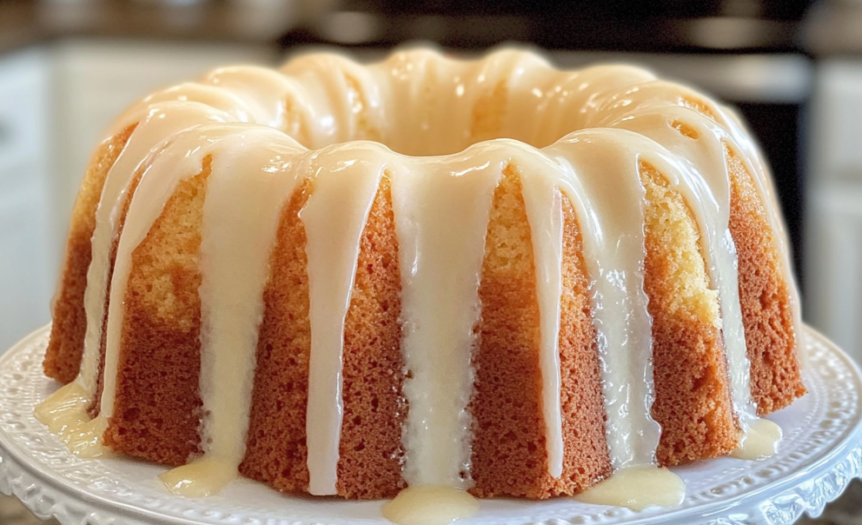
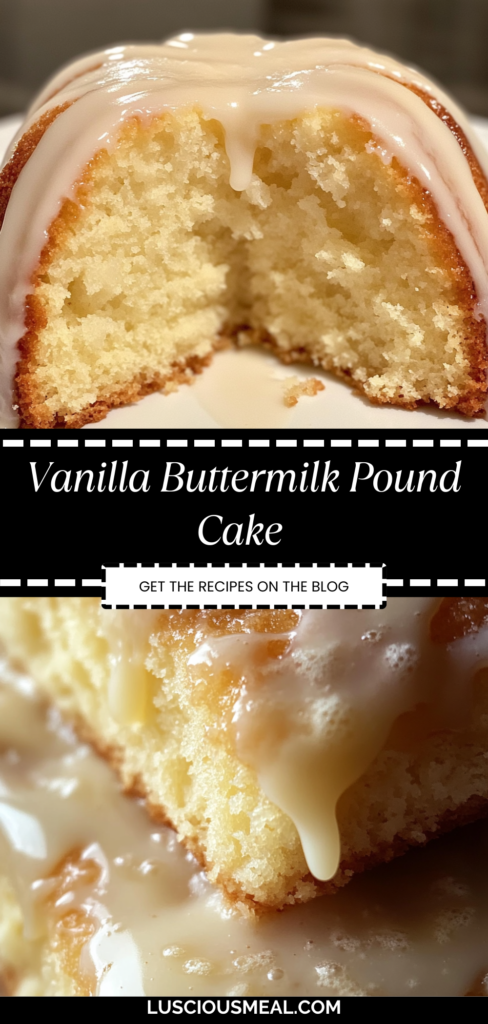
Tender vanilla-scented cake with velvety texture and delicate tang creates an heirloom-worthy dessert that proves simpler is often better. This vanilla buttermilk pound cake with cream cheese glaze celebrates fundamental baking perfection through careful technique and quality ingredients rather than flashy additions. The crumb offers just enough density to feel substantial while remaining light enough for second slices. I first baked this recipe from my grandmother’s handwritten collection, and its enduring appeal proves why classics become classics.
Why You’ll Love This Recipe
• Creates impressive dessert using pantry staples • Balances sweetness with subtle tang throughout • Stays fresh for days while maintaining texture • Serves beautifully for both casual snacking and formal dessert • Provides perfect foundation for seasonal fruit toppings
My neighbor Sarah considered herself exclusively a chocolate dessert person until tasting this cake at a neighborhood gathering. She has since requested it specifically for her birthday celebration three years running. Sometimes the most powerful flavor experiences come from perfectly executed simplicity rather than complicated combinations or unusual ingredients.
Quality Ingredients
• Unsalted butter creates tender structure and rich flavor foundation • Granulated sugar provides sweetness while contributing to fine texture • Fresh eggs bind components while adding richness and structure • Pure vanilla extract introduces warm aromatic foundation • Buttermilk adds tenderness and subtle tanginess throughout • Cake flour creates exceptionally tender crumb finer than all-purpose • Baking powder ensures proper rise without altering flavor • Cream cheese adds complexity to simple glaze • Heavy cream creates perfect pouring consistency
Butter quality significantly impacts your final result. I prefer European-style butter with higher butterfat percentage when available. The additional fat creates more tender crumb while providing richer flavor throughout. My grandmother insisted on leaving butter out overnight before baking day to ensure proper softening and incorporation. Modern food safety might question this approach, but the principle of truly room-temperature butter remains essential for proper creaming and texture development.
Baking Method
Prepare The Pan Begin with thoroughly greased and floured loaf pan to prevent sticking. For additional insurance, line pan bottom with parchment paper extending slightly up long sides as handles for easy removal after baking. Take time ensuring complete coverage particularly in pan corners which typically cause sticking problems.
Create Butter Base Cream room temperature butter until noticeably lighter in both color and texture, typically 3-4 minutes of continuous mixing. Add sugar gradually while continuing to beat, incorporating completely before further additions. This extended creaming creates essential air pockets that contribute to final texture. Continue beating until mixture becomes notably fluffy and significantly lighter in color.
Add Eggs Carefully Incorporate eggs one at a time, beating thoroughly after each addition until completely absorbed before adding next. This gradual approach prevents mixture from separating or curdling. Add vanilla extract and mix until evenly distributed throughout batter. Pause occasionally to scrape bowl sides ensuring complete incorporation.
Combine Dry Ingredients Whisk together flour, baking powder, and salt in separate bowl until evenly distributed. This preliminary mixing prevents pockets of leavening or salt in final cake. Sift mixture if lumps appear or flour seems particularly compacted from storage.
Create Final Batter Add dry ingredients alternately with buttermilk, beginning and ending with flour mixture. Use gentle folding motion between additions rather than vigorous beating to maintain air incorporation from earlier creaming. Stop mixing immediately when final streaks of flour disappear to prevent toughening from overworked gluten.
Bake To Perfection Pour finished batter into prepared pan, smoothing top surface gently. Place in preheated oven and bake until golden brown with slight crack forming along top surface. Test doneness with wooden pick inserted in center, which should emerge with few moist crumbs but no wet batter. Cool in pan initially, then transfer to wire rack for complete cooling before glazing.
My first attempt at this recipe taught me important lessons about patience in butter preparation. Rushing the creaming stage resulted in denser cake lacking proper rise and tenderness. Subsequent batches with proper attention to this foundational step delivered the exceptional texture that makes this cake memorable. Baking rewards careful attention to seemingly simple processes rather than merely following ingredient lists.
You Must Know
• Room temperature ingredients incorporate more effectively than cold components • Overmixing after flour addition creates tough rather than tender cake • Buttermilk provides acidity that tenderizes crumb structure • Testing doneness accurately prevents both underbaking and overbaking • Cooling completely before glazing ensures proper glaze consistency
My husband typically gravitates toward desserts featuring chocolate or fruit rather than vanilla-forward options. After initially declining a slice of this cake at a family gathering, curiosity prompted him to taste mine. He immediately requested his own piece and now specifically asks for this cake on his birthday instead of his previous chocolate standby. Converting committed chocolate enthusiasts provides particular satisfaction when introducing vanilla-centered desserts.
Creating Perfect Glaze
The ideal complement to this pound cake emerges from balanced consistency and restrained sweetness. Beat softened cream cheese until completely smooth with no remaining lumps. Add powdered sugar gradually, incorporating fully between additions. Introduce vanilla extract and pinch of salt, mixing until evenly distributed. Add heavy cream tablespoon by tablespoon until reaching desired pouring consistency. Pour prepared glaze over completely cooled cake, allowing to flow naturally down sides for most attractive appearance. For special presentation, reserve small portion of glaze in piping bag for decorative finishing. Allow glaze to set approximately 30 minutes before slicing for cleanest serving portions.
Seasonal Adaptations
This versatile cake provides perfect foundation for highlighting seasonal fruits throughout the year. Summer version features fresh berries and mint alongside each slice. Autumn adaptation incorporates warm spiced apple compote spooned over individual servings. Winter variation includes citrus segments with their juices for brightness against rich cake. Spring celebration might feature rhubarb compote with slight tartness balancing cake’s inherent sweetness. The fundamental vanilla foundation complements countless accompaniments while maintaining its own distinct character.
Serving Suggestions
Presentation elevates this cake from casual snack to memorable dessert with minimal additional effort. For afternoon tea service, cut into thin slices arranged on vintage plates with fresh flowers nearby. Weekend brunch presentation might include whipped cream and fresh berries alongside. Dessert service benefits from slight warming with vanilla bean ice cream slowly melting alongside. Consider serving with coffee containing complementary vanilla notes for sensory harmony throughout the experience. For truly special occasions, offer selection of accompaniments allowing guests to customize according to personal preference.
Storage Success
Proper handling extends enjoyment of this wonderful cake for several days. Store completely cooled, unglazed cake tightly wrapped at room temperature up to five days or freeze up to three months. For glazed cake, refrigerate in airtight container up to one week, allowing to reach room temperature before serving for best flavor and texture. Individual slices freeze beautifully, wrapped first in plastic then foil, providing portion control and extended storage. Thaw frozen cake overnight in refrigerator then bring to room temperature before serving for optimal texture restoration.
Baking Wisdom
• Test oven temperature with separate thermometer as many run hot or cold • Position cake in center rack for most even baking results • Shield with foil during final baking if top browns too quickly
The enduring appeal of this vanilla buttermilk pound cake lies in its perfect balance between richness and restraint. While I appreciate elaborate desserts featuring multiple components, this cake demonstrates how fundamental techniques applied thoughtfully create something truly exceptional. The magic happens in careful attention to basics rather than flashy additions or complicated processes. After countless preparations for both family enjoyment and guest entertaining, this recipe continues proving that mastering classics provides greater satisfaction than constantly chasing novelty. Some recipes remain relevant across generations because they simply cannot be improved upon.