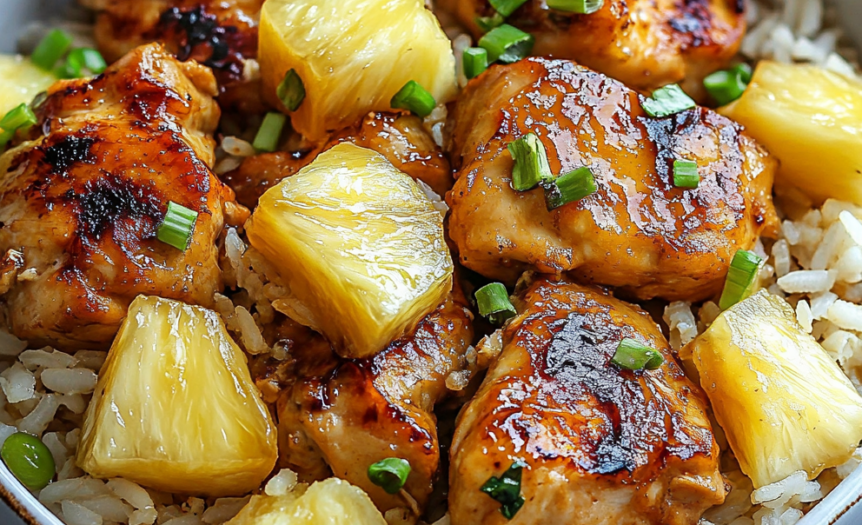
This pineapple chicken and rice combines sweet, tangy pineapple with savory chicken for a meal that tastes like a tropical getaway without complicated techniques. The juicy pineapple chunks release their natural sweetness during cooking, infusing the fluffy rice with flavor while the chicken absorbs all those delicious juices. It’s a complete dinner in one pan, saving you from washing multiple dishes and giving you more free time in the evening. If you enjoy this kind of flavor profile, you might also want to try similar easy one-pan meals like teriyaki chicken bowls, sweet and sour chicken, or Hawaiian-style rice bowls.
Why You’ll Love This Recipe
- Quick weeknight dinner – ready in under 30 minutes with minimal prep work, perfect for busy evenings when you want something satisfying without spending hours in the kitchen
- One-pan meal – everything cooks in the same skillet for easy cleanup, meaning less time washing dishes and more time enjoying your evening
- Versatile – works with various vegetables and protein substitutions, so you can adapt it based on what you have in your fridge or your family’s preferences
- Kid-friendly – the natural sweetness from pineapple appeals to picky eaters while still delivering a nutritious meal that adults will enjoy too
Ingredients Breakdown
Pineapple: Fresh pineapple provides the best flavor with its bright acidity and natural sweetness, but canned chunks in juice (not syrup) work perfectly for convenience and are actually ideal for this recipe because they come with juice you can use in the cooking process. The natural enzymes in pineapple help tenderize the chicken while adding a tropical sweetness that balances the savory elements. If using fresh pineapple, you’ll want to add about 1/4 cup of chicken broth or pineapple juice to replace the liquid from canned.
Rice: Long-grain white rice is standard for this dish and creates fluffy, separate grains that soak up the flavorful cooking liquid. Jasmine rice adds a subtle fragrance that complements the tropical pineapple beautifully. Brown rice is a healthier alternative with more fiber, but requires additional cooking time (about 10 minutes more) and extra liquid (about ¼ cup more broth). The texture will be chewier but adds a nutty flavor that many people prefer.
Chicken: Boneless, skinless thighs stay juicier than breast meat and are more forgiving if slightly overcooked, making them ideal for this one-pan meal. Breast meat works well too if you prefer a leaner option, just be careful not to overcook it. The most important thing is cutting the pieces uniformly (about 1-inch cubes) so they cook evenly and finish at the same time as the rice. This size also ensures you get a nice piece of chicken in every bite.
Soy sauce: This provides the savory foundation that balances the sweetness of the pineapple. Regular soy sauce adds depth and saltiness, but low-sodium versions work well if you’re watching salt intake or want more control over the final seasoning. For a gluten-free option, tamari makes an excellent substitute with a similar flavor profile. The umami compounds in soy sauce enhance the overall flavor and create a more satisfying dish without adding complicated ingredients.
Ginger and garlic: These aromatics are essential for authentic flavor and add warmth and complexity to the dish. Fresh delivers optimal flavor with bright, zingy notes, but pre-minced from a jar saves time with minimal flavor loss. When using fresh ginger, a microplane grater makes quick work of it without stringy pieces. These ingredients create the aromatic base that makes the kitchen smell amazing and elevates the dish from simple to special.
Step-by-Step Instructions
- Heat 1 tablespoon oil in a large skillet over medium-high heat until shimmering but not smoking. A heavy-bottomed pan with a tight-fitting lid works best for even cooking and to prevent the rice from burning on the bottom.
- Add chicken pieces in a single layer without crowding the pan and cook until golden brown on the first side, about 3-4 minutes. Resist the urge to move them around too much—letting them sit creates that delicious caramelization that adds flavor. If needed, cook in batches to avoid overcrowding which would cause the chicken to steam rather than brown.
- Flip chicken pieces and cook for another 2 minutes until most sides are lightly browned. They don’t need to be fully cooked at this stage since they’ll continue cooking with the rice. This browning step is crucial for developing flavor through the Maillard reaction, which creates those complex savory notes that make the dish so satisfying.
- Add minced garlic and ginger to the pan and stir constantly for 30 seconds until fragrant. Watch carefully as they burn quickly and can become bitter. This brief cooking releases their essential oils and flavors without risking any bitterness from overcooking. You’ll know they’re ready when your kitchen fills with their wonderful aroma.
- Pour in the rice and stir to coat with the oil and aromatics for 1 minute. This toasting step helps the rice maintain its structure during cooking and enhances its nutty flavor. Make sure every grain gets coated with the oil, which helps prevent sticking and clumping as it cooks.
- Add chicken broth, soy sauce, and pineapple chunks with their juice, then stir to combine and bring to a simmer. Scrape any browned bits from the bottom of the pan—these contain concentrated flavor that will infuse the rice. The liquid should come up about 1/2 inch above the rice; adjust with a little more broth if needed.
- Reduce heat to low, cover, and cook for 15-18 minutes until rice is tender and liquid is absorbed. Resist the urge to peek or stir during cooking as this releases steam and can make the rice gummy. Check at the 15-minute mark by quickly lifting one edge of the lid to prevent sticking or burning at the bottom of the pan.
- Remove from heat and let stand, covered, for 5 minutes to allow the rice to finish steaming. This resting period is crucial as it allows the moisture to distribute evenly throughout the rice, resulting in perfectly fluffy grains rather than a sticky mass. It also gives the flavors time to meld together.
- Stir in green onions and season with additional soy sauce or salt if needed. The green onions add a fresh, bright note that balances the richness of the dish. Taste before adding more seasoning as the soy sauce and chicken broth already contain salt.
The Perfect Texture: What to Look For
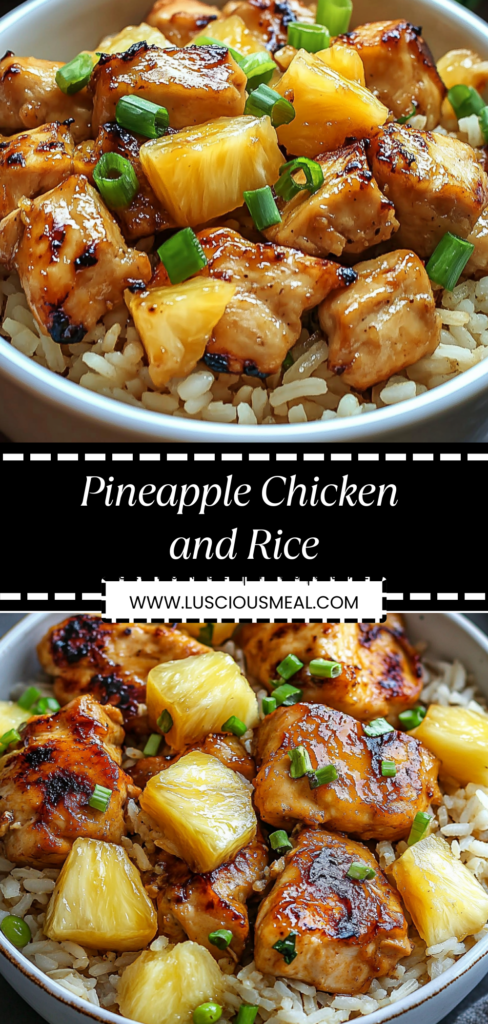
The finished dish should have tender, separate grains of rice that are infused with flavor but not mushy. The chicken should be juicy and fork-tender, easily pulling apart. The pineapple pieces will have softened slightly but should still maintain their shape rather than dissolving completely. You want a good balance of textures—from the chew of the chicken to the tender rice and the soft but intact pineapple chunks. If the dish seems too wet after resting, you can remove the lid and cook over low heat for another minute or two to evaporate excess moisture.
Customization Options
This recipe serves as an excellent base that you can adapt to your preferences or whatever ingredients you have on hand. Bell peppers (particularly red or yellow) add color, nutrition, and a slight sweetness that complements the pineapple—add them with the chicken for a softer texture or in the last 5 minutes of cooking for more crunch. Snow peas or sugar snap peas make a wonderful green addition when stirred in during the last 3 minutes of cooking. For added heat, incorporate a minced jalapeño with the garlic and ginger, or stir in a teaspoon of sriracha at the end. Cashews or slivered almonds added just before serving provide a delightful textural contrast with their crunch.
Practical Tips
Storage: Refrigerate leftovers in an airtight container for up to 3 days. The rice will actually absorb more flavor as it sits, making day-two leftovers even better in many ways—the flavors have more time to meld and deepen. If you find the refrigerated rice has dried out slightly, that’s completely normal and easy to remedy when reheating.
Reheating: Add a splash of water or broth before microwaving to prevent the rice from drying out. Cover the container with a damp paper towel for even better results. Heat in 30-second intervals, stirring between each, until the food reaches your desired temperature. For stovetop reheating, add a splash of liquid to a non-stick pan, add the leftover rice mixture, and heat gently while stirring occasionally until warmed through.
Prep ahead: Chop chicken, pineapple, and vegetables up to 24 hours in advance and store separately in the refrigerator. You can even mix the liquid ingredients (broth, soy sauce, and pineapple juice) and store in a jar or container in the fridge. This prep work makes the actual cooking process incredibly quick, perfect for busy weeknights when you need to get dinner on the table fast but still want something homemade.
Frozen pineapple: If using frozen pineapple, don’t thaw first—add directly to the pan and extend cooking time by 2-3 minutes. The frozen fruit will release moisture as it thaws, which can affect the rice-to-liquid ratio. That’s why a slight extension in cooking time helps ensure everything cooks properly without ending up with undercooked rice or too much liquid.
Common Questions
Can I make this with leftover cooked rice? Yes, but the technique changes significantly. Skip the broth and rice cooking time. Instead, after sautéing the aromatics, add your pineapple and cook for 2-3 minutes, then add 2-3 cups cooked rice along with just ¼ cup of broth or pineapple juice for moisture. Stir-fry everything together until heated through, about 3-4 minutes. This creates more of a fried rice variation that’s perfect for repurposing leftover rice and makes dinner even faster.
How do I prevent the rice from sticking to the bottom of the pan? Use a non-stick pan or well-seasoned cast iron, and don’t stir once the liquid is added—just once at the end. The key is maintaining the proper heat: start at medium-high to bring to a simmer, then immediately reduce to low for gentle cooking. If you notice sticking, your heat might be too high. A heavy-bottomed pan helps distribute heat evenly and prevents hot spots that can cause sticking.
Can I make this spicy? Absolutely—there are several ways to add heat depending on your preference. Add 1-2 teaspoons of sriracha or 1/4 teaspoon red pepper flakes with the garlic and ginger for heat that permeates the entire dish. For adjustable spiciness, serve with a side of sambal oelek or hot sauce so each person can add their desired level of heat. For a different kind of warmth, try adding 1/2 teaspoon of Chinese five-spice powder with the aromatics.
Is this freezer-friendly? Yes, but be aware that the texture of the pineapple will soften noticeably upon thawing, and the rice may become slightly stickier. Freeze in portion-sized containers for up to 2 months and thaw overnight in the refrigerator before reheating. To improve the texture after freezing, reheat in a skillet rather than the microwave, adding a splash of water and a drizzle of oil to refresh the dish. Garnish with fresh green onions after reheating to add back some brightness and texture.
Serving Suggestions
This dish stands perfectly well on its own as a complete meal, but if you’re looking to round out the table, consider a few simple additions. A fresh cucumber salad with rice vinegar dressing offers a cool, crisp contrast to the warm, savory rice. For larger appetites, spring rolls or a simple miso soup make excellent starters. If you’re hosting guests, serve the pineapple chicken and rice in a hollowed-out pineapple half for a fun presentation that hints at the flavors inside.
Nutritional Benefits
Beyond being delicious, this meal offers several nutritional advantages. Pineapple contains bromelain, an enzyme with anti-inflammatory properties, along with vitamin C for immune support. The combination of protein from chicken and carbohydrates from rice provides sustained energy. Using brown rice increases the fiber content, which helps with digestion and keeps you feeling fuller longer. Add colorful vegetables like bell peppers or snow peas to boost the vitamin and antioxidant content even further, creating a meal that’s as nutritious as it is satisfying.