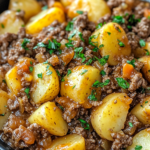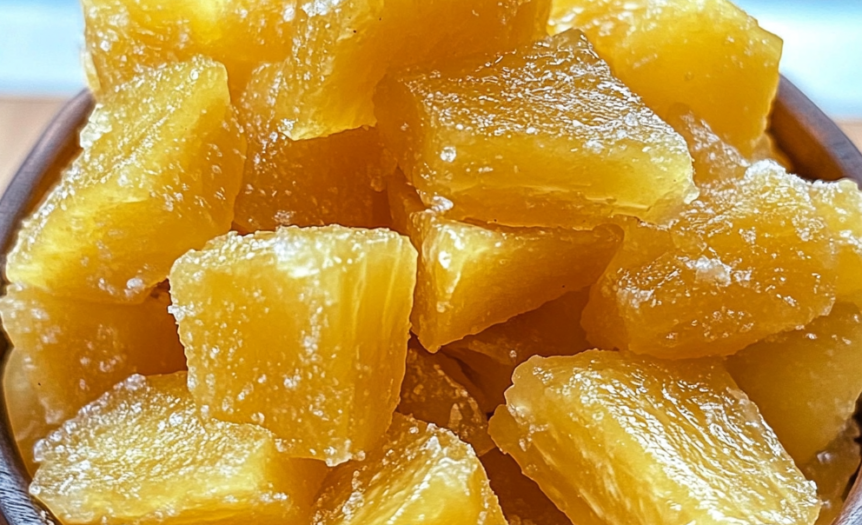
This pineapple cowboy candy transforms fresh pineapple and jalapeños into an addictive sweet and spicy condiment that delivers the perfect balance of tropical sweetness and fiery heat with a delightful chewy texture. The slow cooking process concentrates the flavors while creating a glossy, jam-like consistency that’s both versatile and irresistible. If you enjoy this style of bold, sweet-heat condiment, you might also like jalapeño pepper jelly, spicy fruit chutneys, or other preserves that combine unexpected flavor combinations.
Why You’ll Love This Recipe
- Addictive flavor combination – the sweet pineapple perfectly balances the jalapeño heat while the brown sugar adds caramelized depth that makes this impossible to stop eating
- Incredible versatility – works as a condiment, appetizer topping, sandwich addition, or even dessert accompaniment, adapting to countless culinary applications
- Long-lasting preservation – properly canned batches keep for months, making it perfect for gift-giving or having on hand for impromptu entertaining
- Unique crowd-pleaser – the unexpected combination consistently surprises and delights guests, making it a conversation starter at any gathering
Ingredients Breakdown
Fresh pineapple: The sweet foundation that provides tropical flavor and natural fruit sugars that caramelize beautifully during cooking. Choose a ripe pineapple that gives slightly when pressed and has a sweet aroma at the base. The fruit should be golden yellow rather than green, indicating optimal ripeness and sugar content. Core and dice the pineapple into uniform 1/2-inch pieces for even cooking and appealing texture. Fresh pineapple is essential rather than canned, as it maintains better texture during the long cooking process and provides brighter, more complex flavor.
Fresh jalapeño peppers: Provide the signature heat and vibrant color that defines cowboy candy. Choose firm, bright green jalapeños without soft spots or wrinkled skin. The heat level varies significantly between individual peppers, so taste-test if possible and adjust quantities accordingly. Slice the jalapeños into uniform rings, removing seeds for milder heat or leaving them in for more intensity. Wearing gloves during preparation prevents capsaicin from burning your skin or accidentally transferring to your eyes.
Brown sugar: Creates the rich, molasses-tinged sweetness that balances the heat while contributing to the glossy, jam-like consistency. Light brown sugar provides subtle molasses flavor, while dark brown sugar offers more intense caramel notes – either works well based on preference. The sugar also acts as a preservative, helping to create the proper consistency and shelf stability. Pack the brown sugar when measuring for accurate sweetness levels.
Apple cider vinegar: Provides essential acidity that balances the sweetness while acting as a natural preservative. The acidity also helps break down the fruit and pepper cell walls, creating the characteristic tender texture. Choose high-quality apple cider vinegar with good flavor rather than harsh, overly acidic varieties. The vinegar’s fruity notes complement the pineapple beautifully while providing the tang that makes this condiment so addictive.
Garlic and ginger: Add aromatic depth and complexity that elevates this beyond simple sweet-and-spicy candy. Fresh garlic provides pungent flavor that mellows during cooking, while fresh ginger adds warmth and subtle spice that complements both the pineapple and jalapeños. Mince both very finely to ensure even distribution and prevent large pieces from overwhelming individual bites. These aromatics create the flavor foundation that makes this cowboy candy sophisticated rather than one-dimensional.
Step-by-Step Instructions
- Prepare all ingredients before beginning, as the cooking process moves quickly once started. Core and dice 1 large fresh pineapple into 1/2-inch pieces (about 4 cups). Slice 8-10 fresh jalapeños into 1/4-inch rings, adjusting the quantity based on your heat preference. Mince 4 garlic cloves and 1 tablespoon fresh ginger very finely. Having everything ready ensures smooth cooking without interruption.
- In a large, heavy-bottomed saucepan or Dutch oven, combine 2 cups packed brown sugar, 1 cup apple cider vinegar, the minced garlic, and grated ginger. Bring to a boil over medium-high heat, stirring frequently to dissolve the sugar completely. The mixture should bubble vigorously and smell sweetly aromatic as it comes to temperature.
- Add the diced pineapple to the boiling syrup and return to a boil. The fruit will release additional moisture, temporarily thinning the mixture. Stir gently to ensure all pineapple pieces are coated with the syrup. The fruit should begin to soften and release its juices within the first few minutes of cooking.
- Reduce heat to medium and simmer uncovered for 15-20 minutes, stirring occasionally, until the pineapple becomes translucent and the syrup begins to thicken slightly. The fruit should hold its shape but become tender throughout. During this time, the natural sugars concentrate and develop deeper, more complex flavors.
- Add the sliced jalapeños to the pot and continue simmering for another 10-15 minutes until the peppers are tender but still maintain their shape and bright green color. Stir gently to distribute the peppers evenly throughout the mixture. The jalapeños will soften but should retain some texture rather than becoming mushy.
- Continue cooking, stirring frequently, until the mixture reaches a jam-like consistency that coats the back of a spoon. This typically takes 30-40 minutes total cooking time. The syrup should be thick enough to mound slightly when dropped from a spoon but still flow slowly. Be careful not to overcook, which can make the mixture too thick or cause the fruit to break down excessively.
- Test the consistency by placing a small plate in the freezer for a few minutes, then dropping a small amount of the hot mixture onto the cold plate. If it holds its shape without running immediately, it’s ready. The mixture will continue to thicken slightly as it cools, so err on the side of slightly too thin rather than too thick.
- Taste and adjust seasoning if needed. The flavor should be well-balanced with prominent sweetness, noticeable heat, and bright acidity. If too sweet, add a tablespoon more vinegar; if not hot enough, add finely minced fresh jalapeño; if too acidic, add more brown sugar gradually.
- For immediate consumption, let cool to room temperature before serving. For longer storage, ladle the hot mixture into sterilized jars, leaving 1/4-inch headspace. Wipe jar rims clean and apply sterilized lids and rings. Process in a boiling water bath for 10 minutes for proper preservation, or store in the refrigerator for up to 3 months.
- Allow canned jars to cool completely before storing in a cool, dark place. The flavors will continue to develop and meld over time, actually improving after a few days. Refrigerate after opening and use within 3 weeks for best quality and safety.
Perfect Texture: What to Look For
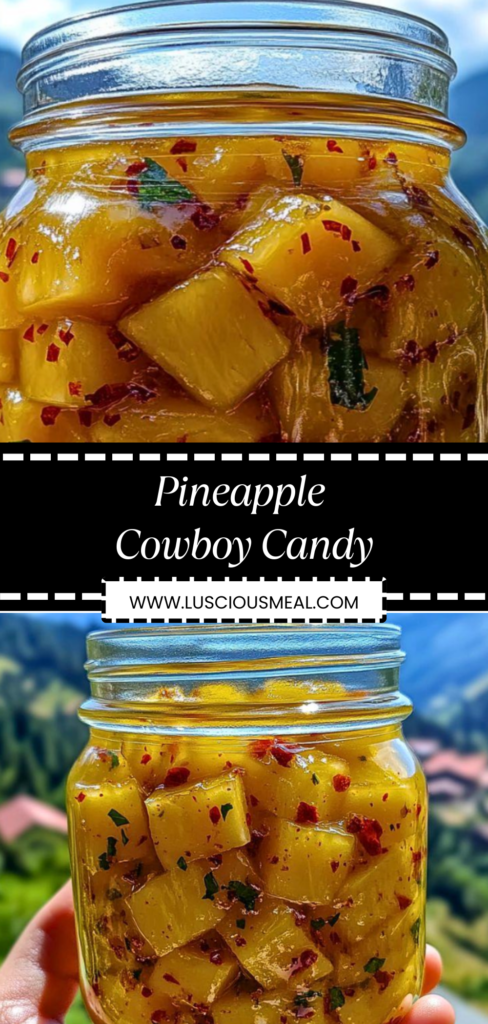
Successfully executed pineapple cowboy candy should have a glossy, jam-like consistency that’s thick enough to stay on a cracker or spoon without running off immediately. The pineapple pieces should be tender and translucent but still maintain their shape rather than breaking down into mush. The jalapeño rings should be softened but retain some texture and their vibrant green color. The syrup should coat all the fruit and pepper pieces evenly, creating a cohesive mixture rather than separated elements. When cooled, the candy should have a slightly chewy texture that’s neither runny nor overly thick.
Customization Options
This versatile recipe adapts beautifully to different preferences and seasonal ingredients. For extra heat, add serrano or habanero peppers along with the jalapeños. Create different fruit variations using diced mango, peach, or even apple for seasonal versions. Add red pepper flakes or chipotle peppers for smoky heat. For more complex flavor, include fresh herbs like cilantro or mint during the last few minutes of cooking. Different vinegars like rice vinegar or white wine vinegar create subtle flavor variations while maintaining the essential balance.
Practical Tips
Heat level control: The heat varies significantly between individual jalapeños. Start with fewer peppers and add more during cooking if needed. Remove seeds and membranes for milder heat, or include them for more intensity. Remember that the heat will mellow slightly as the candy ages.
Consistency testing: The mixture will thicken as it cools, so don’t overcook trying to achieve the final consistency while hot. Use the cold plate test for accuracy, and remember that slight under-cooking is better than over-cooking, which can make the candy too thick or caramelized.
Sterilization for canning: If planning to can for long-term storage, sterilize jars and lids according to proper canning procedures. Follow tested canning guidelines for safety, as improper canning can lead to spoilage or food safety issues.
Storage considerations: Properly canned cowboy candy keeps for up to a year in a cool, dark place. Once opened, refrigerate and use within 3 weeks. The flavors actually improve with time as ingredients meld together.
Common Questions
Can I reduce the sugar for a less sweet version? Sugar acts as both flavoring and preservative in this recipe, so reducing it significantly affects both taste and preservation. You can reduce by up to 1/4 cup, but the consistency and shelf life will change. Consider using a sugar substitute designed for canning if you need to reduce sugar substantially.
Why is my cowboy candy too runny? This usually indicates insufficient cooking time or too much liquid. Continue cooking until the mixture reaches the proper consistency, testing with the cold plate method. If it’s still too thin after extended cooking, mix 1 tablespoon cornstarch with 2 tablespoons cold water and stir into the hot mixture.
How do I make it less spicy after it’s cooked? Once cooked, the heat level is set and difficult to reduce. For future batches, use fewer jalapeños or remove all seeds and membranes. Adding dairy products like sour cream when serving can help cool the heat for individual portions.
Can I double the recipe? Yes, but use a larger pot to prevent overflow and allow for proper evaporation. The cooking time may be slightly longer for larger batches. Ensure your pot is large enough to allow the mixture to bubble without boiling over.
Serving Suggestions
This versatile condiment shines in numerous applications throughout meals and occasions. For appetizers, serve over cream cheese with crackers, or use as a topping for grilled chicken or pork. The sweet-heat combination makes it excellent with charcuterie boards, providing unexpected contrast to rich meats and cheeses. For breakfast applications, try it on toast with cream cheese or as a unique pancake topping.
The candy works beautifully as a burger or sandwich condiment, adding complex flavor that elevates simple preparations. For dinner parties, use it as a glaze for grilled meats or as an accompaniment to roasted vegetables. The bright, complex flavors also pair wonderfully with Asian-inspired dishes, providing sweet-heat balance that complements bold seasonings.
Nutritional Benefits
While definitely a condiment to enjoy in moderation due to its sugar content, pineapple cowboy candy does provide some nutritional benefits from its whole food ingredients. Fresh pineapple contributes vitamin C, manganese, and bromelain, an enzyme that may aid digestion. The jalapeños provide capsaicin, which may boost metabolism and provide anti-inflammatory benefits.
The apple cider vinegar contributes acetic acid, which some studies suggest may help with blood sugar regulation and digestive health. Garlic and ginger provide beneficial compounds that support immune function and may have anti-inflammatory properties. While the sugar content means this should be enjoyed as an occasional treat, the inclusion of these whole foods makes it a more nutritious option than many commercial sweet condiments that rely primarily on corn syrup and artificial flavors.