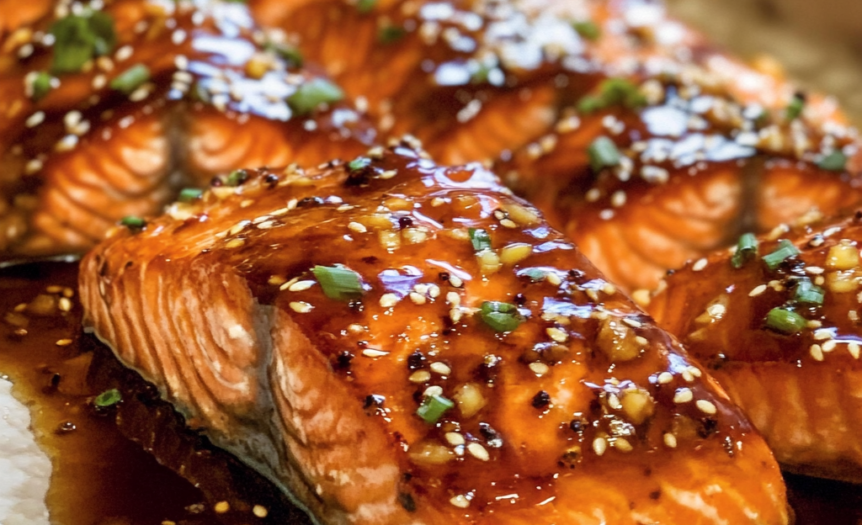
Perfectly flaky salmon fillets bathed in glistening honey glaze create an elegant yet effortless dinner ready in just 20 minutes. This honey glazed salmon transforms simple ingredients through strategic preparation into an impressive meal balancing sweet, savory, and aromatic flavors. The delightful contrast between the caramelized exterior and tender interior elevates everyday seafood into something truly special. I first developed this recipe for a dinner party when needing a sophisticated main course that wouldn’t require hours in the kitchen away from guests.
Why You’ll Love This Recipe
• Creates restaurant-quality salmon in under 20 minutes • Requires minimal ingredients with maximum flavor impact • Makes perfect weeknight luxury or company-worthy entrée • Provides heart-healthy protein with essential omega-3 fatty acids • Offers simple preparation with impressive presentation
My neighbor initially questioned whether homemade salmon could truly deliver the perfectly glazed finish she enjoyed at upscale restaurants. After tasting this version during an impromptu dinner invitation, she immediately asked for the recipe and has since made it for her most discriminating guests. Sometimes strategic preparation creates not only comparable but superior results to restaurant versions through ingredient freshness control impossible in commercial settings.
Quality Ingredients
• Fresh salmon provides perfect protein foundation • Natural honey creates signature sweetness with depth • Soy sauce introduces essential umami complexity • Fresh lemon juice brightens with necessary acidity • Fresh garlic delivers aromatic punch impossible with powder • Olive oil enhances moisture while promoting browning • Black pepper introduces subtle warmth throughout • Fresh herbs add aromatic finish when desired • Sesame seeds create elegant visual garnish
Salmon selection dramatically impacts your final result. I prefer center-cut fillets with uniform thickness, ensuring consistent cooking throughout. Wild-caught varieties typically offer superior flavor and nutrition profile when available, though quality farm-raised options provide excellent results with more consistent availability. My seafood vendor emphasized that proper salmon selection begins with appearance—look for vibrant color, minimal white streaking (albumin), and fresh, oceanic scent without fishiness, wisdom that proves especially relevant when creating dishes where seafood quality determines overall success.
Preparation Method
Create Perfect Glaze Combine honey, soy sauce, minced garlic, fresh lemon juice, and olive oil in small bowl, whisking thoroughly until completely integrated. This preliminary mixing creates balanced flavor throughout rather than pockets of intense sweetness or saltiness. The combination of liquid ingredients with varying viscosities requires thorough blending for proper emulsion that coats evenly during cooking and presentation.
Prepare The Salmon Pat salmon fillets completely dry with paper towels, removing surface moisture that would prevent proper caramelization. This crucial moisture removal ensures glaze adheres properly while promoting beautiful browning during cooking. Check thoroughly for any remaining pin bones using fingers or tweezers to remove, ensuring pleasant eating experience without unexpected obstacles.
Season Thoughtfully Season salmon lightly with salt and freshly ground pepper before glazing, recognizing that soy sauce in glaze provides additional sodium contribution. This preliminary seasoning creates flavor foundation directly against protein rather than relying solely on exterior glaze for complete flavor development. Allow seasoned salmon to rest briefly at room temperature, allowing more even cooking from center to exterior.
Apply Initial Glaze Brush salmon fillets generously with portion of prepared glaze, ensuring complete coverage across top surface while allowing excess to drip onto sides. This first application allows flavors to begin penetrating protein before cooking process begins. Reserve remaining glaze for basting during cooking and final presentation enhancement, providing multiple layers of flavor development.
Cook With Precision Heat large oven-safe skillet over medium-high heat until quite hot. Add small amount of oil with high smoke point, then place salmon fillets skin-side down (if skin attached) or presentation-side up (if skinless) into hot pan. This initial high-heat contact creates essential caramelization and crust development impossible through gentler cooking methods. Allow cooking undisturbed for approximately 3-4 minutes until glaze begins caramelizing.
Complete Cooking Process Transfer skillet directly to preheated oven, continuing cooking process through gentle ambient heat rather than direct contact. This two-phase cooking creates perfectly caramelized exterior while maintaining moist, tender interior impossible through stovetop cooking alone. Baste with additional glaze halfway through cooking time for flavor reinforcement and moisture maintenance throughout process.
Verify Perfect Doneness Check salmon after approximately 5-7 minutes in oven, looking for slight opacity change throughout with gentle flaking when pressed with fork. Ideal salmon should separate into large, moist flakes rather than appearing either translucent (undercooked) or dry and crumbly (overcooked). For absolute precision, internal temperature should reach 125°F (52°C) for medium-rare or 130°F (54°C) for medium doneness, allowing carryover cooking to complete process after removal from heat.
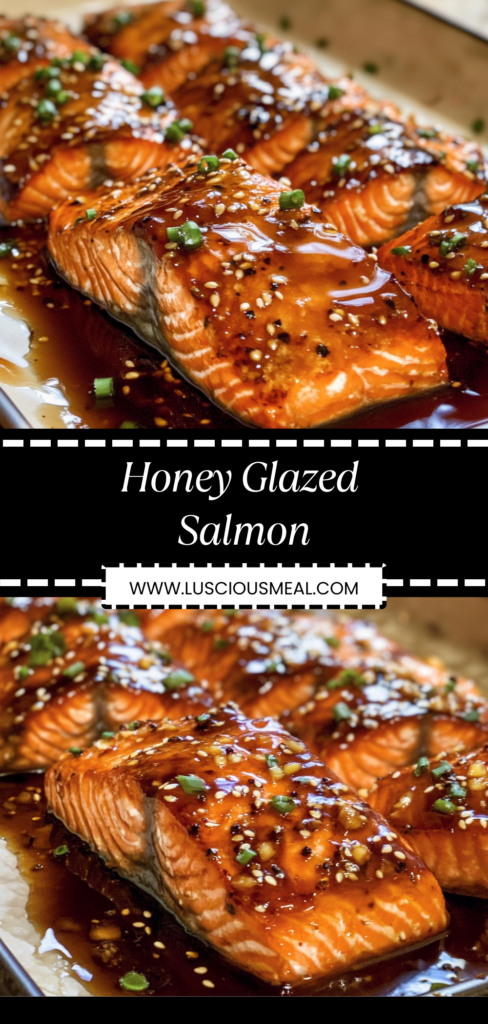
Finish With Elegance Remove salmon from oven, allowing resting briefly before transferring to serving platter or individual plates. Brush with final application of reserved glaze, creating fresh, glistening appearance that enhances both visual appeal and flavor intensity. Garnish with sesame seeds, thinly sliced green onions, or fresh herb sprigs like dill or parsley for professional presentation with minimal additional effort.
My first attempt at this recipe taught me important lessons about oven temperature. Using excessive heat created beautifully caramelized exterior but overcooked interior, while insufficient heat failed to develop properly glazed surface. Subsequent batches with proper temperature balance delivered the perfect marriage between caramelized exterior and tender, moist interior. Cooking protein often requires finding precise heat equilibrium rather than simply following standard temperature guidelines.
You Must Know
• Thoroughly drying salmon before glazing creates better caramelization • Cooking time varies significantly based on fillet thickness • Glaze contains sugar elements that can burn if heat is excessive • Slight undercooking provides better results than overcooking • Salmon continues cooking briefly after removal from heat source
My father, typically unimpressed by seafood preparations, surprised everyone by requesting second helpings of this glazed salmon at our family gathering. He particularly appreciated the balanced sweet-savory flavor that enhanced rather than masked the natural salmon quality. Converting selective eaters provides particular satisfaction when introducing dishes that highlight rather than disguise fundamental ingredient characteristics.
Serving Suggestions
This versatile centerpiece welcomes various accompaniments while maintaining its status as meal highlight. Serve alongside steamed jasmine rice for classic presentation that absorbs extra glaze beautifully. Consider roasted asparagus or green beans for colorful vegetable pairing that complements without competing with delicate salmon flavors. For complete Asian-inspired meal, offer cucumber salad with rice vinegar dressing providing refreshing counterpoint against rich salmon. More substantial presentations might include quinoa pilaf or roasted fingerling potatoes for heartier appetites. For elegant entertaining, consider wilted baby spinach or microgreens beneath fillets, which wilt slightly from salmon’s residual heat creating integrated presentation.
Flavor Variations
This adaptable base recipe welcomes thoughtful modifications while maintaining its fundamental appeal. Citrus enhancement incorporates orange or lime zest and juice replacing portion of lemon for distinctive flavor profile. Ginger-forward adaptation includes freshly grated ginger creating warming complexity throughout glaze. Herb-infused version features fresh dill, thyme, or tarragon within glaze mixture for aromatic depth. Maple substitution replaces honey with pure maple syrup creating subtly different sweetness with complementary complexity. For entertaining, consider preparing double quantity of glaze, reducing portion separately until thickened for elegant drizzling across plates before serving.
Make-Ahead Strategies
While salmon delivers best results when cooked just before serving, proper planning transforms this elegant dish into stress-free entertaining option. Prepare glaze completely up to five days ahead, storing in airtight container in refrigerator. Season salmon and store uncovered in refrigerator up to eight hours before cooking, allowing surface drying that promotes better glazing and caramelization. For efficient dinner party preparation, arrange salmon in cooking vessel hours ahead, refrigerating until approximately 20 minutes before cooking when it should be removed to reach cool room temperature for most even cooking. Consider preparing accompanying sides completely ahead, reheating gently while salmon rests after cooking for synchronized service.
Chef Techniques
• Maintain salmon with slightly translucent center for optimum moisture • Create additional glaze depth by adding 1 teaspoon butter during final minutes • Score skin side in crosshatch pattern when cooking skin-on for superior texture
This honey glazed salmon exemplifies how thoughtful preparation of quality ingredients creates truly special dining experiences without complicated techniques or extensive time investment. While I appreciate elaborate culinary creations on occasion, this straightforward recipe demonstrates that impressive meals can emerge through strategic flavor building rather than complexity. The magic happens through understanding cooking fundamentals—proper heat application, ingredient quality selection, timing precision—rather than exotic ingredients or complicated methods. After countless variations refined through both successes and learning experiences, this recipe continues proving that some of the most satisfying meals come from honoring quality ingredients through simple, thoughtful preparation.