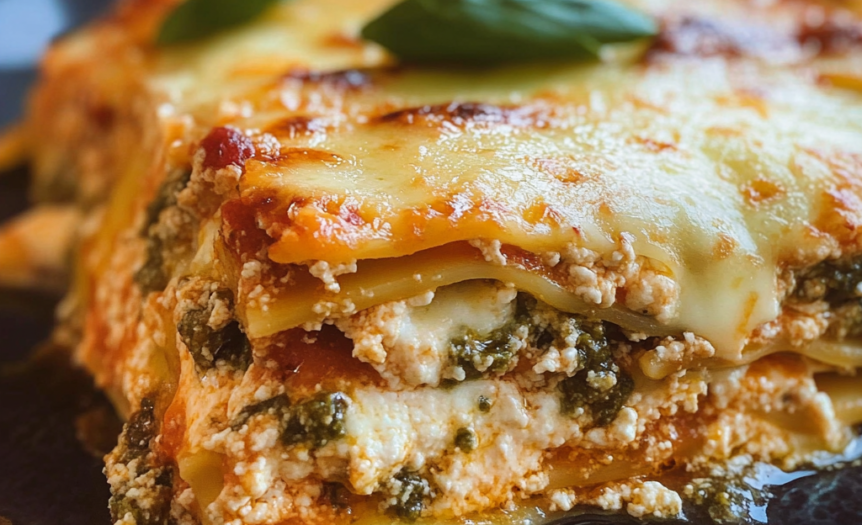
The classic lasagna stands as a cornerstone of Italian cuisine, representing layers of tradition, flavor, and culinary craftsmanship. This beloved dish, with its alternating layers of rich meat sauce, creamy béchamel, perfectly cooked pasta, and melted cheese, has become a global comfort food favorite that continues to bring families together around the dinner table.
The Foundation: The Meat Sauce (Ragù)
At the heart of any great lasagna lies its meat sauce, traditionally known as ragù alla bolognese. This crucial component begins with a soffritto – a aromatic base of finely diced onions, carrots, and celery sautéed in olive oil until golden and fragrant. Ground beef and pork are then added, creating a robust flavor foundation. Some chefs include pancetta for an extra depth of flavor.
The meat is carefully browned to develop a rich flavor profile, followed by the addition of wine, which is reduced to concentrate its taste. San Marzano tomatoes, renowned for their sweet flavor and low acidity, are incorporated along with herbs like bay leaves, fresh basil, and thyme. The sauce then simmers slowly, sometimes for hours, allowing the flavors to meld and deepen.
The Creamy Element: Béchamel Sauce
While some American versions rely solely on ricotta cheese, authentic Italian lasagna typically features béchamel sauce – a classic white sauce made from butter, flour, and milk. The process begins with creating a roux by cooking equal parts butter and flour until golden, then gradually whisking in warm milk until smooth and thick. A touch of nutmeg adds a subtle warmth that complements both the meat sauce and cheese layers.
The Pasta: More Than Just a Layer
The pasta sheets are crucial to the dish’s structure and texture. Traditional recipes call for fresh pasta, which offers a delicate texture and superior ability to absorb the sauces’ flavors. While dried lasagna noodles can be used, fresh pasta provides an unmistakable tenderness that elevates the entire dish. The pasta should be cooked until just shy of al dente, as it will continue to cook in the oven.
Cheese Selection and Layering
The cheese selection plays a vital role in creating the perfect lasagna. Parmigiano-Reggiano adds a sharp, salty element, while mozzarella provides that coveted stretchy texture. Some recipes incorporate Pecorino Romano for additional depth. The key is using high-quality cheeses and distributing them evenly throughout the layers.
Assembly: An Art Form
Assembling lasagna is where technique meets artistry. Starting with a thin layer of meat sauce prevents the pasta from sticking to the pan. Each layer should be carefully considered, with pasta sheets slightly overlapping to ensure structural integrity. The sequence typically goes: meat sauce, pasta, béchamel, cheese, and repeat. The final layer usually features extra cheese to create a golden, bubbly top.
Baking to Perfection
The baking process is crucial for achieving the ideal texture. The lasagna should be covered with foil for the first part of baking to prevent the top from drying out. The foil is removed for the final 15-20 minutes to allow the cheese to brown and create those coveted crispy edges. Letting the lasagna rest for at least 15 minutes after baking is essential – this allows the layers to set and makes serving neater.
Make-Ahead Potential
One of lasagna’s greatest attributes is its make-ahead potential. The dish can be assembled a day in advance and refrigerated, allowing the flavors to develop further. It also freezes exceptionally well, making it a perfect option for meal planning or preparing for large gatherings.
Cultural Significance
Lasagna represents more than just a meal; it’s a dish that brings people together. In Italian culture, it’s often reserved for special occasions and Sunday family gatherings. The time and effort required to prepare it from scratch make it a labor of love that communicates care and dedication to those who share it.
Modern Adaptations
While the classic recipe remains beloved, modern variations have emerged to accommodate different dietary preferences. Vegetarian versions might feature roasted vegetables or mushrooms instead of meat. Gluten-free pasta options are available for those with dietary restrictions. Some chefs experiment with alternative cheese combinations or unique sauce variations while maintaining the dish’s fundamental layered structure.
Tips for Success
Several key factors contribute to creating the perfect lasagna. Using room temperature ingredients helps ensure even cooking. Properly seasoning each component is crucial, as is avoiding oversaturation of any single element. The meat sauce should be thick rather than watery to prevent a soggy final product. Most importantly, patience during both the cooking and resting phases pays off in the final presentation.
Classic lasagna remains a testament to the enduring appeal of traditional Italian cooking. Its combination of rich flavors, satisfying textures, and comforting warmth continues to make it a favorite for family dinners and special occasions alike. Whether following a generations-old recipe or incorporating modern adaptations, the fundamental principles of layering, balance, and attention to detail remain key to creating this beloved dish. The time and effort invested in preparing a proper lasagna are always rewarded with the satisfaction of serving a meal that brings people together and creates lasting memories around the dinner table.