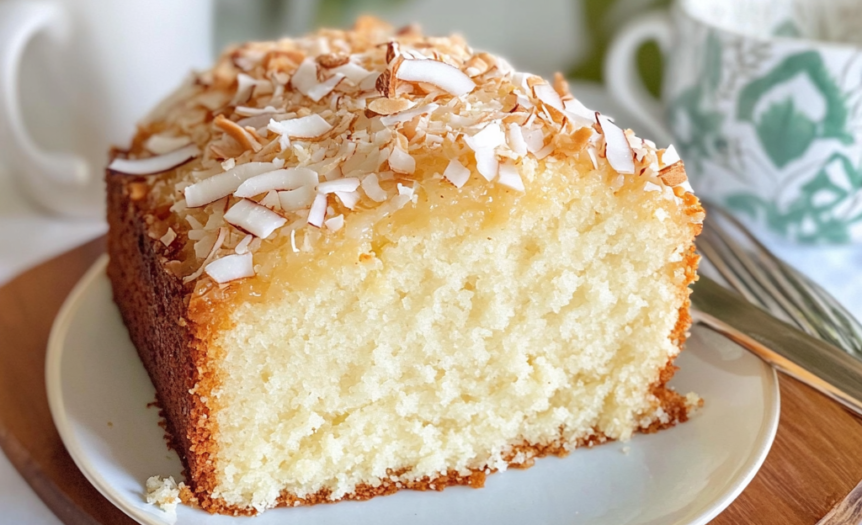
When it comes to desserts that feel like a warm hug in a slice, pound cake holds a special place in the hearts of many. Add coconut into the mix, and you elevate this timeless classic to something truly extraordinary. Coconut pound cake is a perfect combination of buttery richness and tropical sweetness, making it an irresistible treat for any occasion. Whether served as a simple afternoon snack, a delightful dessert at dinner parties, or even as a gift to loved ones, this cake never fails to impress.
The Origin of Pound Cake
Pound cake has been around for centuries, with its roots traced back to Europe in the early 18th century. Its name comes from the traditional recipe, which used a pound each of butter, sugar, eggs, and flour. Over the years, bakers have adapted and refined the recipe, adding flavors, adjusting proportions, and introducing various textures to make it more versatile and modern. The coconut version takes this beloved classic and gives it a tropical twist that’s both unique and comforting.
Why Coconut Pound Cake Stands Out
What sets this coconut pound cake apart is its delicate balance of flavors and textures. The cake is rich and buttery, with a soft crumb that melts in your mouth. The shredded coconut adds a layer of texture, while the coconut milk or cream brings an unmistakable depth of flavor. It’s a cake that’s decadent without being overly sweet, making it suitable for a wide range of palates.
Beyond its incredible taste, this cake is also versatile. It pairs wonderfully with a variety of accompaniments, such as fresh fruit, whipped cream, or even a drizzle of warm chocolate or caramel sauce. Serve it plain or dressed up—it’s guaranteed to be a crowd-pleaser.
Key Ingredients and Their Roles
- Butter: The cornerstone of any pound cake, butter provides the rich, moist texture and that classic buttery flavor. Always opt for unsalted butter to control the saltiness of your cake.
- Sugar: Granulated sugar sweetens the cake and helps create a tender crumb. Creaming the butter and sugar together properly is crucial for a light texture.
- Eggs: Eggs give structure and stability to the cake. They also contribute to its moisture and help bind the ingredients together.
- Flour: All-purpose flour is the standard choice, offering the perfect balance of protein for structure and tenderness.
- Coconut Milk or Cream: These add a concentrated coconut flavor while also keeping the cake moist.
- Shredded Coconut: This adds texture and enhances the coconut flavor. You can use sweetened or unsweetened coconut, depending on your preference.
- Vanilla and Coconut Extracts: Vanilla adds a warm undertone, while coconut extract amplifies the tropical flavor profile.
- Leavening Agents: While traditional pound cakes rely on eggs alone for leavening, a small amount of baking powder ensures the cake has the perfect lift.
Baking Tips for the Perfect Coconut Pound Cake
- Room-Temperature Ingredients: Always bring your butter, eggs, and coconut milk to room temperature before mixing. This helps them blend seamlessly and creates a smoother batter.
- Creaming Butter and Sugar: Take your time with this step. Cream the butter and sugar together for about 3-5 minutes until light and fluffy. This step is key to achieving a tender crumb.
- Mixing Technique: Avoid overmixing once the flour is added. Overmixing can lead to a dense cake. Mix just until the flour is incorporated.
- Prepare the Pan Properly: Use a non-stick bundt or loaf pan and grease it thoroughly with butter or cooking spray. A light dusting of flour ensures easy release after baking.
- Baking Time and Temperature: Bake the cake at 325°F (163°C) for a slow, even rise. Check for doneness by inserting a toothpick into the center; it should come out clean or with a few moist crumbs.
Customization Ideas
While this coconut pound cake is perfect as is, there are several ways to customize it to suit your preferences:
- Add a glaze: A simple coconut glaze made with powdered sugar and coconut milk can add a lovely sweetness and shine.
- Incorporate citrus: Add a teaspoon of lemon or lime zest to the batter for a fresh, zesty twist.
- Include nuts: Chopped pecans or almonds can add a crunchy contrast to the soft cake.
- Make it boozy: A splash of rum or coconut liqueur in the batter or glaze adds an adult-friendly depth of flavor.
Storing and Serving
Coconut pound cake keeps well, making it a great make-ahead dessert. Once cooled, wrap it tightly in plastic wrap or store it in an airtight container. It can be kept at room temperature for up to three days or refrigerated for up to a week. For longer storage, slice the cake, wrap the slices individually, and freeze them. Thaw at room temperature or warm in the microwave before serving.
To serve, enjoy a slice plain or with accompaniments like a dollop of whipped cream, a scoop of vanilla ice cream, or fresh berries. For an elegant presentation, dust the top with powdered sugar or drizzle a glaze over it.
Final Thoughts
The very best coconut pound cake is more than just a dessert—it’s a treat that brings people together. Whether you’re baking it for a special occasion or simply to satisfy a craving, this cake has the power to delight and comfort in every bite. With its tender crumb, rich coconut flavor, and endless possibilities for customization, it’s a recipe you’ll want to make again and again. Once you’ve mastered it, don’t be surprised if it becomes a family favorite for years to come. Happy baking!