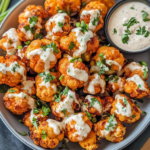
This is the bowl that breaks the internet every time someone posts it—crispy golden chicken drizzled with that legendary sweet-spicy-creamy sauce, nestled over fluffy rice and crisp vegetables. Born in American fusion kitchens but inspired by Asian flavors, the Bang Bang Chicken Bowl has become the ultimate comfort food mashup. It’s what happens when Nashville hot chicken meets Asian mayo culture, creating something entirely new and utterly addictive.
Ingredients
For the Chicken:
- 2 pounds boneless, skinless chicken breasts or thighs
- 2 cups buttermilk
- 2 teaspoons hot sauce
- 2 cups all-purpose flour
- ½ cup cornstarch
- 2 teaspoons paprika
- 1 teaspoon garlic powder
- 1 teaspoon onion powder
- 1 teaspoon cayenne pepper
- 2 teaspoons salt
- 1 teaspoon black pepper
- Vegetable oil for frying
For the Bang Bang Sauce:
- ½ cup mayonnaise (Japanese Kewpie preferred)
- ¼ cup Thai sweet chili sauce
- 2 tablespoons Sriracha (adjust to taste)
- 1 tablespoon honey
- 1 tablespoon rice vinegar
- 1 teaspoon garlic, minced
- 1 teaspoon fresh lime juice
For the Bowl Base:
- 3 cups jasmine rice, cooked
- 2 cups red cabbage, thinly sliced
- 2 cups romaine lettuce, chopped
- 1 cup carrots, julienned
- 1 cup cucumber, diced
- 1 cup edamame, shelled and cooked
- 1 avocado, sliced
For Garnish:
- Green onions, sliced
- Sesame seeds (black and white)
- Cilantro leaves
- Lime wedges
- Crispy wonton strips (optional)
- Pickled jalapeños (optional)
Instructions
- Marinate the Chicken: Cut chicken into 1½-inch pieces. In a large bowl, whisk buttermilk with hot sauce. Add chicken, ensuring all pieces are submerged. Cover and refrigerate for at least 2 hours, up to overnight for maximum tenderness.
- Prepare the Coating: In a large bowl, whisk together flour, cornstarch, paprika, garlic powder, onion powder, cayenne, salt, and pepper. The cornstarch is key—it creates extra crispiness that stays crunchy even under sauce.
- Make Bang Bang Sauce: Whisk all sauce ingredients in a bowl until smooth. Taste and adjust—more Sriracha for heat, more sweet chili for sweetness, more vinegar for tang. Refrigerate until needed; flavors meld beautifully.
- Set Up Breading Station: Remove chicken from buttermilk, letting excess drip off. Working in batches, toss chicken pieces in flour mixture, pressing firmly to ensure thick, even coating. Place on a wire rack and let rest 10 minutes—this helps coating adhere.
- Heat Oil Properly: In a heavy pot or deep fryer, heat oil to 350°F. The temperature is crucial—too low and chicken absorbs oil, too high and coating burns before chicken cooks through.
- Fry to Perfection: Fry chicken in batches, maintaining temperature between 325-350°F. Cook for 5-6 minutes, turning once, until deep golden brown and internal temperature reaches 165°F. Transfer to wire rack to drain.
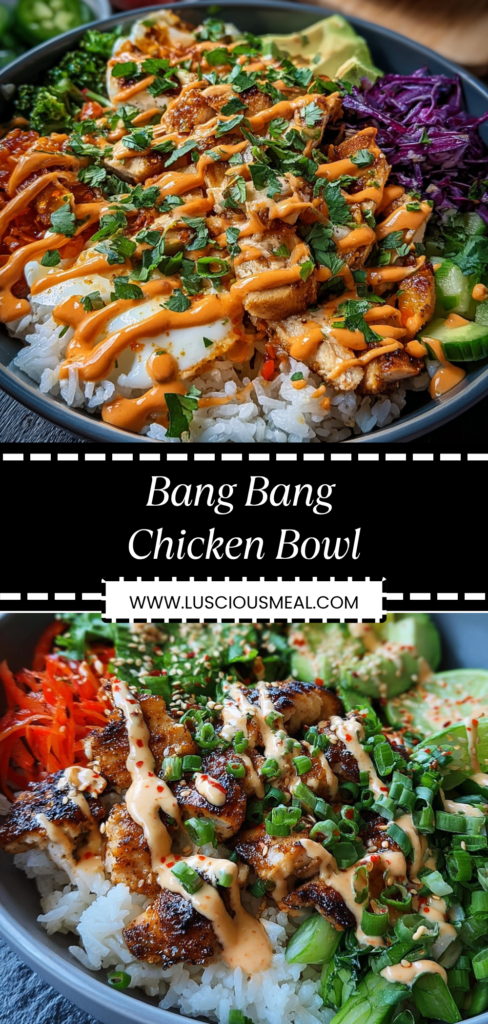
- Prepare Bowl Components: While chicken fries, arrange your bowls. Start with warm rice as the base. Arrange cabbage, lettuce, carrots, cucumber, and edamame in sections around the bowl for visual appeal.
- Assemble the Masterpiece: Place hot fried chicken in center of bowl. Drizzle generously with Bang Bang sauce—don’t be shy, the sauce makes the dish. Add avocado slices just before serving.
- Final Flourish: Sprinkle with green onions and sesame seeds. Add cilantro and lime wedges. For extra crunch, top with wonton strips. Serve immediately while chicken is still crispy.
Recipe Notes
- Prep Time: 30 minutes (plus marinating)
- Marinating Time: 2-24 hours
- Cook Time: 30 minutes
- Total Time: 1 hour active (plus marinating)
- Servings: 4 generous bowls
- Calories: 680 per bowl
The Bang Bang Sauce Phenomenon
The magic of Bang Bang sauce lies in its perfect balance of five fundamental flavors. Mayonnaise provides rich, creamy fat that coats your palate. Thai sweet chili sauce brings fruity sweetness with mild heat. Sriracha adds vinegar-forward spiciness that cuts through richness. Honey rounds out flavors with floral sweetness, while rice vinegar brightens everything with acidity.
Using Kewpie mayonnaise elevates the sauce significantly. This Japanese mayo contains more egg yolks and uses rice vinegar instead of distilled vinegar, creating a richer, slightly sweeter base that harmonizes better with Asian flavors. The addition of MSG in Kewpie (naturally occurring from the fermentation process) adds umami depth you can’t achieve with regular mayo.
The sauce’s versatility extends beyond this bowl. It’s become a condiment phenomenon, appearing on everything from shrimp to cauliflower. The key to its appeal? It hits every taste receptor simultaneously while being mild enough not to overwhelm. It’s the gateway drug to spicy food for heat-sensitive eaters.
Buttermilk Brining Science
That buttermilk bath isn’t just tradition—it’s transformation. The lactic acid in buttermilk gently denatures proteins in the chicken, allowing them to retain more moisture during high-heat cooking. This creates juicier meat with a more tender texture that stands up to the aggressive frying process.
The acid also helps the coating adhere better. It slightly roughens the chicken’s surface, creating more places for flour to grab onto. Combined with the proteins in buttermilk, it forms a stronger bond between meat and breading that survives the violent bubbling of hot oil.
Time matters with buttermilk marinades. Two hours provides basic tenderization, but overnight develops more complex flavors as enzymes continue working. The hot sauce in the marinade isn’t just for heat—the vinegar adds another acid component while the capsaicin begins flavor penetration that carries through to the final dish.
The Perfect Fry
Achieving restaurant-quality fried chicken requires understanding oil dynamics. That 350°F starting temperature accounts for the drop when cold chicken enters. You want to maintain 325-350°F throughout cooking—the zone where moisture rapidly escapes (creating crispiness) without burning the coating.
The flour-cornstarch combination creates superior texture through different mechanisms. Flour provides structure and browns beautifully through the Maillard reaction. Cornstarch, being pure starch, creates a shatteringly crisp shell by forming a gel that dehydrates into a glass-like coating. The 4:1 flour-to-cornstarch ratio maximizes crispiness while maintaining structural integrity.
Double-coating isn’t necessary here because we’re cutting into pieces that will be sauced. The single thick coating provides enough crunch to stand up to the sauce while keeping preparation manageable. That 10-minute rest after coating allows flour to hydrate, creating a stronger shell that won’t fall off during frying.
Bowl Building Strategy
The bowl construction isn’t random—it’s engineered for optimal bites. Rice forms the foundation, absorbing excess sauce and providing neutral bulk. The vegetable arrangement around the edges serves multiple purposes: visual appeal, textural variety, and temperature contrast against hot chicken.
Red cabbage brings crucial crunch that persists even when dressed with sauce. Its slight bitterness balances the sweet sauce. Romaine adds fresh, watery crunch, while carrots contribute natural sweetness and vibrant color. Cucumber provides cooling relief between spicy bites, and edamame adds plant-based protein and appealing texture.
Avocado placement matters—added last to prevent browning and positioned to not get hot from the chicken. Its creamy richness echoes the sauce while adding healthy fats. This strategic layering ensures every forkful contains multiple flavors and textures.
Customization and Variations
Spice Level Adjustments: The beauty of separate sauce service means everyone can customize heat. Provide Sriracha and sweet chili sauce on the side. For kids or spice-sensitive eaters, make a mild version with just mayo and sweet chili sauce.
Protein Alternatives:
- Shrimp: Butterfly and use the same coating method, reducing fry time to 2-3 minutes
- Tofu: Extra-firm, pressed, and cubed works brilliantly for vegetarian option
- Cauliflower: Cut into florets, following same coating process for trending alternative
- Fish: Cod or halibut chunks create an upscale version
Grain Variations:
- Cauliflower rice for low-carb
- Quinoa for protein boost
- Garlic noodles for fusion twist
- Mixed greens for salad bowl version
Sauce Innovations:
- Korean Fusion: Add gochujang to the sauce
- Tropical: Include mango puree and lime zest
- Ranch Style: Mix Bang Bang sauce with ranch dressing
- Sesame: Add tahini and sesame oil
Advanced Techniques
Spice Infusion: Toast whole spices (coriander, cumin, fennel) and grind fresh for the coating. This adds aromatic complexity that pre-ground spices can’t match.
Brine Boost: Add 2 tablespoons of pickle juice to the buttermilk marinade. The extra acidity and spices from the pickle brine add subtle depth.
Double Sauce Method: Toss fried chicken in thin coating of sauce, then drizzle more on top. This ensures flavor in every bite while maintaining some crispy texture.
Tempura Technique: Replace some flour with tempura batter mix for extra-light, crispy coating that shatters at first bite.
Make-Ahead Mastery
This bowl excels at meal prep with smart component storage:
Chicken: Marinate up to 24 hours. Bread up to 2 hours before frying. For parties, fry in batches and hold in 200°F oven up to 45 minutes.
Sauce: Improves with time. Make up to a week ahead. Flavors meld and mellow, becoming more cohesive.
Vegetables: Prep everything except avocado up to 3 days ahead. Store separately in airtight containers with damp paper towels.
Rice: Cook fresh for best texture, but day-old rice works if refreshed with splash of water and microwave steam.
For weeknight efficiency, marinate chicken Sunday night, make sauce, and prep vegetables. Monday dinner comes together in 30 minutes of active cooking.
Troubleshooting Guide
“Coating Falls Off”: Chicken too wet when coating, oil temperature too low, or moved too soon in oil. Pat chicken drier, check oil temp, and let chicken fry undisturbed for first 2 minutes.
“Chicken Not Crispy”: Usually from overcrowding or low oil temperature. Fry smaller batches and monitor temperature constantly. Also ensure coating is thick enough—press firmly when breading.
“Too Spicy/Not Spicy Enough”: Sauce is forgiving. Add mayo to cool it down, more Sriracha to heat up. Can also serve sauce components separately for DIY mixing.
“Bowl Gets Soggy”: Sauce chicken just before serving. Consider serving sauce on side for dipping. Ensure vegetables are thoroughly dried after washing.
“Bland Flavor”: Under-seasoned at multiple points. Season buttermilk marinade, coating mixture generously, and taste sauce before serving. Each component should taste good alone.
Nutritional Considerations
While indulgent, this bowl offers balanced nutrition. The variety of vegetables provides fiber, vitamins, and minerals. Chicken delivers lean protein. The calorie count seems high but creates a satisfying complete meal.
Lightening Options:
- Air fry at 400°F for 12-15 minutes instead of deep frying
- Use light mayo and reduce quantity
- Increase vegetable ratio
- Use brown rice for added fiber
- Bake chicken at 425°F for 20 minutes, flipping once
Serving Suggestions
Family Style: Create a Bang Bang bar with components in separate bowls. Let everyone build their own, accommodating preferences and dietary restrictions.
Date Night: Plate individually with careful attention to presentation. Garnish with microgreens and serve with chopsticks for elegant eating.
Game Day: Make Bang Bang chicken bites (smaller pieces) served in paper cones with sauce for dipping. Easy to eat while watching TV.
Meal Prep: Pack components separately in containers. Chicken in one section, vegetables in another, sauce in small container. Microwave chicken briefly before assembling.
The Cultural Evolution
Bang Bang Chicken represents American cuisine’s magpie tendency—borrowing the best from everywhere to create something new. The name likely derives from Chinese “bang bang ji” (棒棒鸡), though the similarity ends there. That dish features cold shredded chicken with sesame sauce, named for the wooden stick used to tenderize meat.
This American interpretation took the catchy name and applied it to a fusion of Southern fried chicken, Asian condiments, and California bowl culture. It embodies modern casual dining—Instagram-worthy, customizable, and hitting every current food trend from bowl meals to spicy-sweet flavor profiles.
Final Thoughts
The Bang Bang Chicken Bowl succeeds because it delivers everything we crave in modern comfort food: crispy-fried satisfaction, fresh vegetables for virtue, and that absolutely addictive sauce tying it all together. It’s the kind of meal that satisfies on every level—visually stunning, texturally diverse, and flavor-packed in every bite. Master this recipe and you’ll have a crowd-pleaser that works for everything from weeknight dinners to weekend entertaining. The combination of crispy chicken, creamy-spicy sauce, and fresh components creates the perfect balance that keeps people coming back for more.