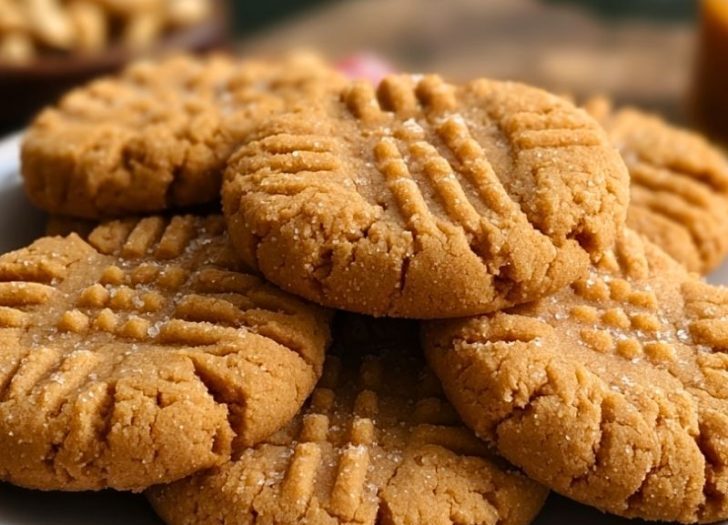
There’s something deeply moving about baking a recipe that connects us directly to American history and the humble roots of a man who would become president. These peanut butter cookies, passed down from Jimmy Carter’s grandmother, represent more than just a sweet treat – they’re a tangible link to the warmth and simplicity of Southern hospitality, the kind of homespun goodness that shaped a future leader’s character in the small town of Plains, Georgia.
What makes these cookies truly special isn’t just their presidential pedigree, but how they embody everything we love about traditional Southern baking. They’re made with simple, honest ingredients that were likely pantry staples in Miss Lillian’s kitchen, yet they deliver that perfect balance of textures – slightly crispy edges giving way to tender, chewy centers that practically melt in your mouth with rich peanut butter flavor.
I first discovered this recipe while researching traditional American desserts, and I was struck by how it represents the kind of unpretentious, heartfelt cooking that built strong families and communities. These aren’t fancy bakery cookies – they’re the kind that were made with love on countless afternoons, shared on front porches with glasses of sweet tea, and tucked into lunch pails with handwritten notes. Baking them today feels like participating in a beautiful tradition that spans generations and reminds us that the best recipes often come from the most humble beginnings.
Ingredients
For the Cookie Dough:
- 1 cup creamy peanut butter (natural or conventional, well-stirred)
- 1/2 cup unsalted butter, softened to room temperature
- 1/2 cup granulated sugar
- 1/2 cup light brown sugar, packed
- 1 large egg, room temperature
- 1 teaspoon pure vanilla extract
- 1 1/4 cups all-purpose flour
- 1/2 teaspoon baking soda
- 1/2 teaspoon salt
Optional Enhancements:
- 1/4 teaspoon ground cinnamon (for warmth)
- 1/2 cup chopped roasted peanuts (for extra crunch)
- Flaky sea salt for sprinkling on top
- 1/2 cup mini chocolate chips (for a modern twist)
Instructions
Begin by preheating your oven to 350°F (175°C) and lining two large baking sheets with parchment paper. This ensures even baking and easy cleanup – something Miss Lillian would have appreciated in her busy kitchen.
In a large mixing bowl, cream together the softened butter, peanut butter, granulated sugar, and brown sugar using an electric mixer on medium speed for 2-3 minutes, or by hand with a wooden spoon for 4-5 minutes. The mixture should become light and fluffy, which creates the tender texture that makes these cookies so special.
Add the egg and vanilla extract to the creamed mixture, beating until fully incorporated and the mixture is smooth and glossy. This step helps bind all the ingredients together while adding richness and flavor depth.
In a separate bowl, whisk together the flour, baking soda, and salt until evenly combined. This ensures that the leavening agent is evenly distributed throughout the flour, which helps the cookies rise uniformly.
Gradually add the flour mixture to the peanut butter mixture, mixing on low speed or stirring by hand just until the dough comes together. Don’t overmix once the flour is added, as this can result in tough cookies rather than the tender ones we’re aiming for.
The finished dough should be soft and slightly sticky but hold together well when pressed. If it seems too dry, you can add a teaspoon of milk; if too wet, add a tablespoon of flour.
Using a cookie scoop or tablespoon, portion the dough into balls about 1 1/2 inches in diameter and place them on the prepared baking sheets, spacing them about 2 inches apart to allow for spreading.
Here comes the iconic step that gives these cookies their classic appearance: using a fork, gently press each dough ball twice to create a crisscross pattern. Press once horizontally, then once vertically, flattening the cookies to about 1/2 inch thick. This traditional technique isn’t just decorative – it helps the dense peanut butter dough bake evenly throughout.
Bake the cookies for 10-12 minutes, or until the edges are lightly golden but the centers still look slightly soft and underbaked. The cookies will continue to cook on the hot pan after removal from the oven, so don’t wait for them to look completely done.
Allow the cookies to cool on the baking sheet for 5 minutes before carefully transferring them to a wire rack to cool completely. This resting time helps them set up properly without breaking apart.
If desired, sprinkle the warm cookies with a light dusting of flaky sea salt for a modern touch that enhances the peanut flavor, though the original recipe would have been perfect just as it was.

Flavor & Texture Notes
These presidential peanut butter cookies deliver exactly what you’d expect from a cherished family recipe – pure, honest peanut butter flavor without any fancy frills or unnecessary complications. The peanut butter takes center stage, providing rich, nutty flavor that’s enhanced by the combination of white and brown sugars.
The texture is where these cookies truly shine, achieving that perfect balance between slightly crispy edges and tender, chewy centers that made them so beloved in the Carter household. The brown sugar contributes to the soft texture while adding subtle molasses notes that complement the peanut butter beautifully.
Each bite delivers that nostalgic, homemade flavor that speaks to simpler times – when cookies were made from scratch with ingredients that had been pantry staples for generations. They’re substantial enough to be satisfying but not so rich that they overwhelm, making them perfect for sharing with neighbors or enjoying with an afternoon glass of milk.
The traditional fork pattern creates little pockets that catch crumbs and add textural interest, while ensuring even baking throughout each cookie. It’s a technique that’s both practical and charming, reflecting the no-nonsense approach of Southern home baking.
Tips & Variations
The key to perfect peanut butter cookies lies in not overbaking them. They should look slightly underdone when you remove them from the oven – the residual heat will finish the cooking process while keeping the centers tender.
Choose your peanut butter wisely. Natural peanut butter works beautifully but should be well-stirred to incorporate any separated oils. Avoid overly processed varieties with lots of added sugar and oils, as they can make the cookies too sweet and greasy.
Room temperature ingredients mix more easily and create better texture. Take your butter and egg out of the refrigerator about an hour before baking, or soften the butter quickly by cutting it into small pieces.
For extra peanut flavor, try adding 1/4 cup of finely chopped roasted peanuts to the dough. This was likely a common variation in Georgia, where peanuts were plentiful and fresh.
Make them your own with simple additions: a handful of chocolate chips creates peanut butter chocolate chip cookies, while a sprinkle of cinnamon in the dough adds warmth and complexity.
For perfectly uniform cookies, use a cookie scoop to portion the dough. This ensures even baking and professional-looking results.
Storage & Make-Ahead
These cookies keep beautifully in an airtight container at room temperature for up to one week, though they rarely last that long once people discover them. For longer storage, they freeze excellently for up to three months.
The dough can be prepared ahead and refrigerated for up to three days, or frozen for up to three months. Portion the dough into balls before freezing, then bake directly from frozen, adding just a minute or two to the baking time.
For gift-giving or potlucks, these cookies travel well and maintain their texture even after a day or two. Layer them between parchment paper in a tin or container to prevent sticking.
If you prefer softer cookies, store them with a slice of bread in the container – the cookies will absorb moisture from the bread and stay tender.
Serving Suggestions
These cookies are perfect for so many occasions and pair beautifully with classic American beverages. Serve them with cold milk for the ultimate nostalgic experience, or alongside hot coffee for a more grown-up treat.
They’re ideal for potluck dinners, church socials, school events, or any gathering where you want to share something that feels both special and comfortingly familiar.
For a Southern-inspired dessert, serve them with vanilla ice cream and a drizzle of honey, or create ice cream sandwiches using two cookies and your favorite frozen treat.
During the holidays, they make wonderful additions to cookie platters alongside other traditional American favorites like chocolate chip cookies and snickerdoodles.
FAQ
Can I use crunchy peanut butter instead of creamy? Absolutely! Crunchy peanut butter will give the cookies extra texture and a more rustic appearance. The baking method remains exactly the same.
What if my cookies spread too much during baking? This usually indicates that the butter was too warm or the dough was overmixed. Make sure your butter is softened but not melted, and mix just until ingredients are combined.
Can I make these gluten-free? Yes! Substitute the all-purpose flour with a 1:1 gluten-free baking flour blend. The texture will be very similar to the original.
Why do I need to press the cookies with a fork? The crisscross pattern isn’t just traditional – it helps flatten the dense dough so it bakes evenly. Peanut butter cookies don’t spread much on their own.
How do I know when the cookies are done? Look for lightly golden edges while the centers still appear soft. They’ll continue cooking on the hot pan after removal from the oven.
These Jimmy Carter’s Grandmother’s peanut butter cookies represent more than just a delicious treat – they’re a connection to American history, Southern tradition, and the simple pleasures that shaped our country’s character. Every time you make them, you’re participating in a tradition that spans generations, proving that the best recipes often come from the humblest kitchens and the most loving hands. Whether you’re sharing them with family or enjoying one with your afternoon coffee, these cookies carry with them the warmth and wisdom of simpler times.