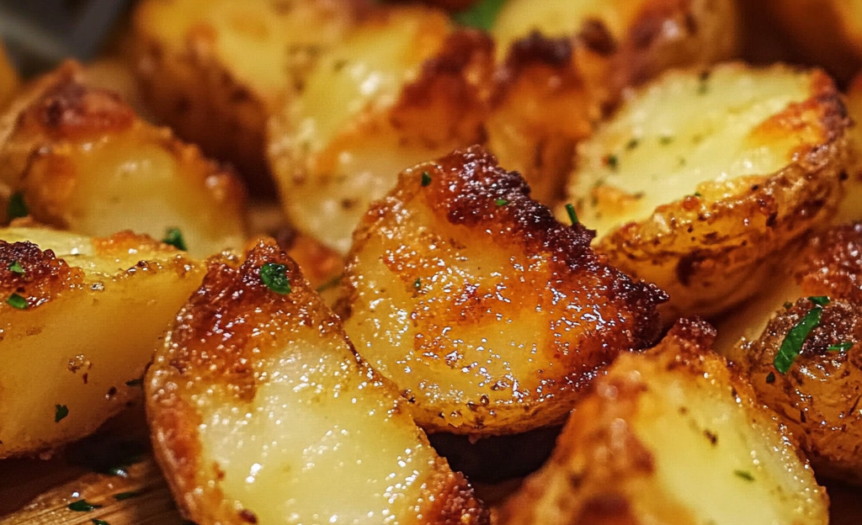
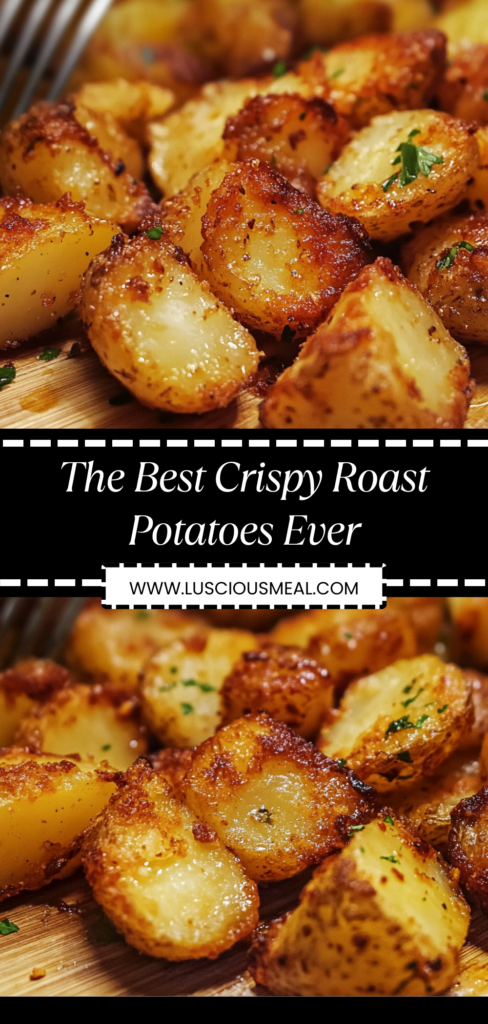
Shatteringly crisp exteriors giving way to fluffy interiors create the ultimate side dish that outshines even the main course. These truly crispy roast potatoes transform humble ingredients through strategic technique into something transcendent that draws enthusiastic praise at any gathering. The sublime contrast between crackling amber shells and cloud-like centers represents the pinnacle of potato preparation that few restaurants even achieve. I developed this method through countless experiments seeking that elusive perfect potato texture that haunted my culinary dreams.
Why You’ll Love This Recipe
• Creates restaurant-quality potatoes superior to most dining establishments • Delivers consistent results through systematic approach • Makes perfect accompaniment to virtually any protein • Works equally well for casual dinners and special occasions • Requires minimal ingredients despite spectacular results
My brother-in-law, a dedicated potato enthusiast who judges restaurants primarily by their roast potato quality, fell completely silent after his first bite of these at our holiday gathering. After thoughtfully consuming several more, he declared them superior to any restaurant version he’d encountered and immediately requested the technique. Converting serious food critics provides particular satisfaction when the method relies on technique rather than exotic ingredients or equipment.
Quality Ingredients
• Starchy potatoes provide perfect fluffy interior structure • Kosher salt enhances flavor while contributing to crisp texture • Baking soda creates alkaline boiling environment essential for surface texture • Fresh herbs introduce aromatic complexity throughout • High-smoke-point oil ensures proper browning without burning • Fresh garlic infuses aromatic punch impossible with powder • Black pepper adds subtle warmth without dominating • White vinegar helps break down potato exterior for maximum crispness • Fresh rosemary provides distinctive pine-like aromatic notes
Potato selection dramatically impacts your final result. I prefer Russet potatoes for their high starch content which creates supremely fluffy interiors, though Yukon Golds offer excellent results with slightly less floury texture and beautiful color. Avoiding waxy varieties proves essential as their moisture content prevents developing the desired interior structure. My chef mentor emphasized that magnificent roast potatoes begin with understanding different varieties’ starch composition rather than treating them interchangeably, wisdom that proves foundational when potatoes serve as starring element rather than background component.
Preparation Method
Select and Prepare Choose uniformly sized potatoes for consistent cooking, peeling completely and cutting into evenly sized chunks approximately 2-3 inches. This consistent sizing ensures every piece achieves identical texture from exterior to center. Rinse cut potatoes thoroughly in cold water, changing water several times until it runs clear, removing excess surface starch that would otherwise prevent optimal crisping.
Par-Boil Strategically Add vinegar and baking soda to large pot of heavily salted water, bringing to vigorous boil before adding prepared potatoes. This alkaline environment begins breaking down potato surfaces, creating the microscopic roughness essential for exceptional crisping. Boil until exteriors appear slightly fluffy while centers remain firm when tested with knife tip, typically 6-8 minutes depending on size. Avoid overcooking which creates disintegration rather than controlled surface modification.
Create Roughened Exterior Drain parboiled potatoes thoroughly in colander, allowing steam to escape for approximately 30 seconds. Return potatoes to empty, dry pot and shake vigorously with lid partially covering to create roughened, slightly fluffy exterior while maintaining structural integrity. This controlled agitation develops surface area that transforms into exceptionally crispy exterior during roasting. Examine potatoes after shaking, looking for textured rather than smooth surfaces.
Infuse with Flavor Meanwhile, heat generous amount of oil with smashed garlic cloves and fresh herbs in roasting pan until aromatic but not smoking. This flavor infusion technique creates depth throughout potatoes rather than merely surface seasoning. Remove garlic and herbs once they’ve released their essential oils, reserving for final garnish if desired. Oil should appear fragrant and exhibit visible herb particles throughout.
Arrange for Success Add roughened potatoes to hot infused oil, turning carefully to ensure complete coating on all surfaces. This thorough oil distribution creates essential conductive layer for proper heat transfer during roasting. Arrange potatoes with maximum surface exposure, avoiding overcrowding and ensuring no pieces touch one another. This careful spacing allows air circulation critical for developing uniform crispness rather than steaming adjacent surfaces.
Roast with Precision Place in preheated, extremely hot oven initially to begin immediate exterior transformation. Maintain high heat for first twenty minutes without disturbing to allow proper crust development. Turn each potato individually using tongs after initial crisping begins, repositioning to expose all surfaces to direct heat. Continue roasting until deeply golden with visibly crunchy exterior and easily pierced centers, typically 50-60 minutes total. Listen for gentle sizzling sound indicating active crisping throughout cooking process.
Finish with Purpose Remove from oven when potatoes achieve deep golden color with visible textured exterior. Immediately toss with additional fresh herbs, flaky sea salt, and pepper while still extremely hot, ensuring seasonings adhere to oil-coated surfaces. The residual heat blooms fresh herb flavors while salt crystals provide textural counterpoints and flavor enhancement. Serve promptly for maximum textural contrast experience while interior steam remains active.
My initial attempts at perfect roast potatoes delivered disappointingly average results despite following conventional wisdom. Through systematic experimentation, I discovered the transformative effect of alkaline parboiling, aggressive roughening, and temperature staging that creates truly exceptional results. The evolution from those mediocre early attempts to the current culinary pinnacle demonstrates how cooking often requires questioning established methods rather than simply following tradition.
You Must Know
• Thoroughly drying potatoes after parboiling prevents steaming during roasting • Preheating oil creates immediate crisping rather than absorption • Spacing potatoes adequately allows proper air circulation • Undisturbed initial roasting period develops fundamental crust formation • Potatoes continue crisping slightly after removal from oven
My professionally-trained chef friend initially questioned whether home ovens could produce truly exceptional roast potatoes without commercial equipment. After witnessing both the methodology and sampling the results, she incorporated several techniques into her restaurant’s potato preparation. Sometimes home cooking experimentation yields methods valuable even to professional kitchens when systematic approaches reveal fundamental principles.
Strategic Seasonings
While exceptional texture forms these potatoes’ foundation, thoughtful flavoring elevates them further for different meal pairings. Garlic-herb version infuses oil with multiple smashed garlic cloves, rosemary sprigs, and thyme stems before roasting. Smoky paprika adaptation adds Spanish pimentón to hot oil for distinctive reddish hue and complex flavor. Lemon-pepper enhancement includes fresh lemon zest tossed with hot finished potatoes and coarsely ground black pepper. Parmesan finish incorporates finely grated aged cheese during final minutes of roasting for savory crust. Consider complementary flavor profiles matching main dish—Mediterranean herbs with lamb, southwest spices with grilled meats, or classic rosemary with Sunday roast chicken.
Perfect Pairings
These spectacular potatoes complement various main courses while maintaining their distinctive textural excellence. Serve alongside standing rib roast where potato crust provides textural contrast against tender beef. Consider pairing with roasted chicken where potato surfaces mirror poultry’s crisp skin for harmonious dining experience. For vegetarian meals, accompany with roasted vegetable medley where potatoes provide substantial satisfaction without meat protein. These versatile potatoes elevate simple grilled fare into complete dining experiences worthy of special occasions while remaining appropriate for everyday enjoyment.
Troubleshooting Tips
Understanding common pitfalls ensures consistently exceptional results even when adapting to different kitchens or ingredients. If potatoes stick to roasting pan, ensure proper preheating of both pan and oil before adding potatoes. When exterior browns too quickly before centers cook completely, lower oven temperature for final roasting period. If potatoes appear sodden rather than crisp, verify adequate spacing and consider reducing initial potato moisture through longer drying period after boiling. For insufficient browning, check oven temperature accuracy with separate thermometer as many run cooler than indicated. These strategic adjustments address specific issues while maintaining fundamental technique integrity.
Chef Techniques
• Infuse oil overnight with herbs and garlic for deeper flavor penetration • Save potato peels for separate crispy garnish preparation • Reserve herb-infused oil for preparing other dishes after potato roasting
These spectacular crispy roast potatoes exemplify how strategic technique transforms ordinary ingredients into truly extraordinary eating experiences. While I appreciate innovative culinary creations, these potatoes demonstrate that perfecting fundamental preparations often yields more satisfying results than pursuing novelty. The magic happens through understanding food science principles—alkalinity effects on starches, surface area maximization, and proper heat application—rather than rare ingredients or specialized equipment. After countless experiments refined through both successes and learning experiences, this method continues proving that achieving genuine culinary excellence often means mastering the seemingly simple rather than pursuing the unnecessarily complex.