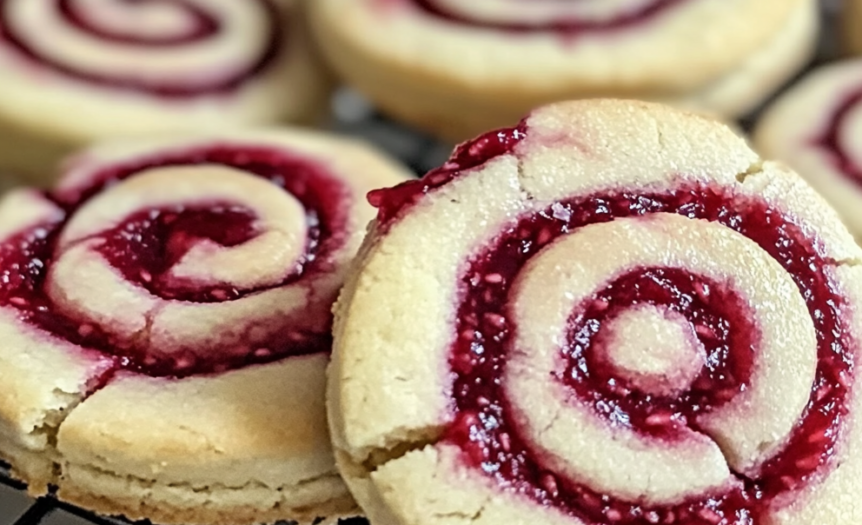
These raspberry swirl shortbread cookies combine the buttery, melt-in-your-mouth texture of classic Scottish shortbread with vibrant raspberry jam swirls that add both visual appeal and bright, fruity flavor. The tender, crumbly texture contrasts beautifully with the tart-sweet raspberry ribbons, creating an elegant cookie that’s sophisticated enough for tea parties yet comforting enough for everyday enjoyment. If you enjoy this style of fruit-enhanced butter cookies, you might also like lemon shortbread bars, strawberry thumbprint cookies, or apricot linzer cookies.
Why You’ll Love This Recipe
- Elegant simplicity – uses just a few high-quality ingredients to create sophisticated cookies that look professionally made while requiring only basic baking skills
- Perfect texture balance – achieves the ideal shortbread crumb that’s tender and buttery while the raspberry swirls provide bursts of bright, concentrated flavor
- Make-ahead friendly – the dough can be prepared and frozen for up to 3 months, making fresh cookies possible anytime with minimal effort
- Versatile presentation – works equally well for casual family treats, afternoon tea service, or elegant gift-giving when packaged beautifully
Ingredients Breakdown
High-quality butter: The cornerstone ingredient that defines exceptional shortbread, providing both flavor and the characteristic tender, crumbly texture. Use European-style butter with higher fat content (82-84%) for the richest flavor and best texture, though standard unsalted butter produces excellent results too. The butter should be softened to room temperature but not melted – it should yield to pressure but still hold its shape. Quality matters significantly in shortbread since butter is the primary flavor, so choose the best you can afford. Avoid margarine or butter substitutes, which lack the flavor and texture properties essential for authentic shortbread.
All-purpose flour: Provides the structure that holds the shortbread together while maintaining the tender crumb. Measure flour accurately by spooning it into measuring cups and leveling off rather than scooping directly from the bag, which can pack the flour and create dense cookies. Some bakers prefer substituting 1/4 of the all-purpose flour with cornstarch or rice flour for an even more tender texture, though standard all-purpose flour creates perfectly delicious results. The flour should be at room temperature for easier mixing and better incorporation with the butter.
Powdered sugar: Sweetens the cookies while contributing to their delicate, melt-in-your-mouth texture. Powdered sugar dissolves more easily than granulated sugar and contains a small amount of cornstarch that helps create the characteristic shortbread crumb. Sift the powdered sugar if it seems lumpy to ensure smooth mixing and prevent grittiness in the final cookies. The fine texture of powdered sugar also helps create the pale color that’s traditional in shortbread.
Raspberry jam: Provides the vibrant color and concentrated fruit flavor that makes these cookies special. Choose high-quality jam with good fruit content and bright color – seedless varieties work best for smooth swirls, though seeded jams add textural interest if preferred. The jam should be thick enough to hold its shape during baking rather than running throughout the dough. Warm the jam slightly before swirling to make it more spreadable, but don’t make it hot enough to melt the butter in the dough.
Vanilla extract: Enhances the overall flavor profile without competing with the raspberry, adding warmth and depth to the buttery base. Pure vanilla extract provides superior flavor to imitation vanilla, though either works in this recipe. The amount should be subtle – enough to enhance the other flavors without making the cookies taste distinctly of vanilla. High-quality vanilla extract made with real vanilla beans makes a noticeable difference in the final flavor.
Step-by-Step Instructions
- Preheat your oven to 325°F (165°C) and line a large baking sheet with parchment paper. The moderate temperature ensures the cookies bake evenly without browning too quickly, which is important for maintaining the delicate shortbread texture and pale color. Position a rack in the center of the oven for the most even heat distribution.
- In a large mixing bowl, cream 1 cup (2 sticks) of softened unsalted butter with an electric mixer on medium speed until light and fluffy, about 3-4 minutes. The butter should be noticeably lighter in color and increased in volume when properly creamed. This step incorporates air that helps create the tender texture characteristic of good shortbread.
- Gradually add 1/2 cup powdered sugar to the creamed butter, beating until fully incorporated and smooth. Scrape down the sides of the bowl as needed to ensure even mixing. The mixture should be smooth and pale, with no streaks of unincorporated sugar visible. Add 1 teaspoon vanilla extract and beat briefly to combine.
- Reduce the mixer speed to low and gradually add 2 cups all-purpose flour and 1/4 teaspoon salt, mixing just until the dough comes together. Don’t overmix, which can develop gluten and create tough cookies. The dough should hold together when pressed but still look somewhat crumbly. Stop mixing as soon as no dry flour is visible.
- Turn the dough out onto a lightly floured surface and gently knead 2-3 times just to bring it together into a cohesive mass. The dough should be smooth but not overworked. Divide the dough in half and shape each portion into a log approximately 8 inches long and 2 inches in diameter.
- Place each log on a sheet of plastic wrap and use the wrap to help shape them into uniform cylinders. The logs should be as even as possible for consistent cookie sizes. Refrigerate the wrapped logs for at least 1 hour or until firm enough to slice cleanly. This chilling step is crucial for maintaining shape during baking.
- While the dough chills, prepare the raspberry swirl by warming 1/3 cup high-quality raspberry jam in a small saucepan over low heat until just spreadable, about 1-2 minutes. Don’t let it get hot enough to bubble. Strain the jam if you prefer completely smooth swirls, or leave it as-is for more textural interest. Let cool slightly but keep warm enough to spread easily.
- Remove one log from the refrigerator and unwrap it. Using a sharp knife, slice the log into rounds approximately 1/4 inch thick. Arrange the slices on the prepared baking sheet, spacing them about 1 inch apart. Work with one log at a time to prevent the dough from becoming too soft.
- Using a small spoon or squeeze bottle, place a small dollop of the warm raspberry jam in the center of each cookie round. Use a toothpick or knife tip to create swirl patterns by gently dragging through the jam and cookie dough. The swirls should be delicate and not too deep to prevent the cookies from breaking.
- Bake for 12-15 minutes until the edges are just set but not browned. The cookies should look pale with only the slightest golden color around the edges. They will seem soft when hot but will firm up as they cool. Shortbread should never be overbaked, which makes it hard rather than tender.
- Let the cookies cool on the baking sheet for 5 minutes before transferring to a wire rack to cool completely. This brief cooling period helps them set without breaking. Repeat the process with the remaining dough log, allowing the baking sheet to cool between batches for even baking.
Perfect Texture: What to Look For
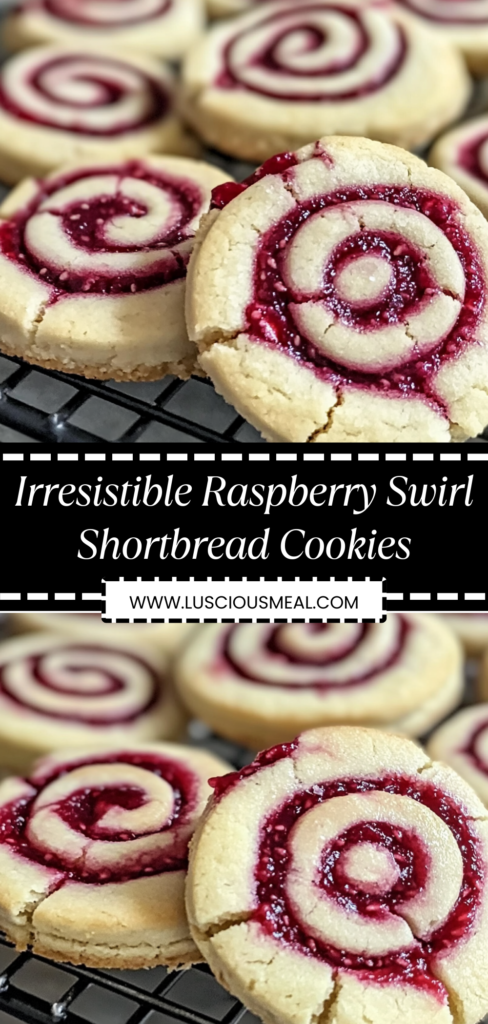
Exceptional raspberry swirl shortbread cookies should have a tender, buttery crumb that practically melts in your mouth while still maintaining enough structure to hold together. The texture should be fine and even throughout, with no tough or dense spots that indicate overmixing. The raspberry swirls should be vibrant and well-defined, providing bursts of concentrated fruit flavor without making the cookies soggy or affecting their structural integrity. When properly baked, the cookies should be pale golden around the edges with mostly white centers, and they should feel firm but not hard when cooled. The overall eating experience should be rich and buttery with bright fruit accents.
Customization Options
This versatile base recipe adapts beautifully to different fruit flavors and seasonal variations. Substitute apricot, strawberry, or blackberry jam for different flavor profiles, or create mixed berry versions using multiple jam types. For citrus lovers, lemon curd creates beautiful swirls with bright, tart flavor that complements the buttery shortbread perfectly. During holidays, add food coloring to white chocolate or cream cheese for festive swirls. For extra richness, incorporate 2 tablespoons of finely chopped toasted almonds or hazelnuts into the dough. A light dusting of pearl sugar before baking adds sparkle and subtle sweetness.
Practical Tips
Butter temperature: Properly softened butter is crucial for good shortbread. It should yield to pressure but not be so soft that it’s greasy or melted. If your kitchen is very warm, cream the butter quickly and refrigerate the dough longer to firm it up before slicing.
Slicing technique: Use a sharp, thin-bladed knife and clean it between cuts to prevent dragging the dough. If the dough becomes too soft during slicing, return it to the refrigerator for 15-20 minutes to firm up again. Consistent slice thickness ensures even baking.
Storage: Store completely cooled cookies in an airtight container at room temperature for up to 1 week. Layer between parchment paper to prevent the jam from sticking. The flavors actually improve after a day as they meld together.
Freezing: The shaped dough logs freeze beautifully for up to 3 months. Wrap tightly in plastic wrap and aluminum foil. Slice and bake directly from frozen, adding 1-2 minutes to the baking time. This makes fresh cookies possible anytime with minimal effort.
Common Questions
Why are my cookies tough instead of tender? Tough shortbread usually results from overmixing the dough after adding flour, which develops gluten. Mix just until the dough comes together, and handle it gently. Also ensure your butter is properly softened but not too warm, which can affect texture.
How do I prevent the jam from burning during baking? Use thick, high-quality jam that won’t spread too much during baking. Don’t make the swirls too deep, and avoid overbaking the cookies. If the jam seems to be browning too quickly, reduce the oven temperature by 25 degrees and extend the baking time slightly.
Can I make these without a mixer? Yes, though it requires more effort. Cream the butter and sugar by hand using a wooden spoon, working until light and fluffy. The texture may be slightly different but still delicious. Ensure the butter is properly softened to make hand mixing easier.
Why do my cookies spread too much during baking? This usually indicates the dough was too warm when baked. Ensure the shaped logs are well-chilled before slicing, and refrigerate the sliced cookies for 15 minutes before baking if your kitchen is very warm. Also check that your butter wasn’t too soft during mixing.
Serving Suggestions
These elegant cookies pair beautifully with afternoon tea or coffee, making them perfect for sophisticated entertaining or quiet moments of indulgence. Arrange them on a tiered serving stand with other petit fours for elegant tea parties, or package them in clear cellophane bags tied with ribbon for thoughtful homemade gifts. The cookies work wonderfully alongside fresh berries and cream for a simple but elegant dessert.
For special occasions, serve them on fine china with delicate tea service, or arrange them on rustic wooden boards for more casual gatherings. They travel well for picnics or potluck events, maintaining their shape and flavor without requiring special handling. Consider serving them with vanilla ice cream or lemon sorbet for a more substantial dessert that highlights the raspberry flavors while providing temperature contrast.
Nutritional Benefits
While definitely a treat, these shortbread cookies do provide some nutritional value from their quality ingredients. The butter contributes vitamin A and some beneficial fatty acids, while the raspberry jam provides small amounts of vitamin C and antioxidants from the fruit. The relatively simple ingredient list means you’re avoiding many of the preservatives and artificial ingredients found in commercial cookies.
To enhance the nutritional profile, consider using organic ingredients when available, or substitute part of the all-purpose flour with whole wheat pastry flour for additional fiber and nutrients. The homemade nature allows you to control sugar content and ingredient quality, creating a more wholesome treat for special occasions. The rich, satisfying nature of shortbread means a small cookie provides significant satisfaction, potentially preventing overindulgence while still delivering the pleasure and comfort that makes homemade cookies so special.