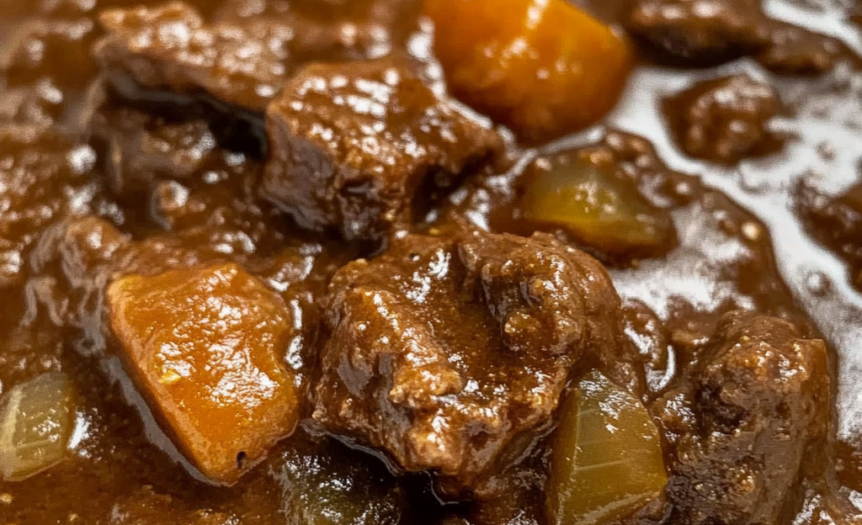
Tender beef chunks swimming alongside hearty vegetables in rich, savory broth create the ultimate comfort food with minimal hands-on effort. This slow cooker beef stew transforms simple ingredients through gentle, extended cooking into a meal that nourishes both body and spirit on the coldest days. The marriage between meltingly tender meat, sweet vegetables, and flavor-packed broth creates something magical that continues improving with each passing hour. I first made this recipe during a particularly brutal winter storm when we needed substantial comfort without constant kitchen attention.
Why You’ll Love This Recipe
• Creates incredible depth of flavor with minimal active time • Allows busy households to enjoy homemade dinner without hovering • Fills your home with mouthwatering aroma all day • Transforms economical beef cuts into something extraordinary • Makes perfect one-pot complete meal requiring no sides
My neighbor Sarah initially mentioned her family never enjoyed beef stew, finding most versions bland or mushy. After tasting this version during a neighborhood power outage when we shared food, her children requested it specifically the following week. Converting stew skeptics provides particular satisfaction when introducing recipes that require patience rather than complicated techniques.
Quality Ingredients
• Chuck roast provides perfect marbling for melt-in-your-mouth texture • Fresh vegetables maintain some integrity despite long cooking • Tomato paste contributes concentrated umami foundation • Worcestershire sauce adds depth without obvious presence • Beef broth creates fundamental savory base throughout • Red wine introduces complexity and slight acidity • Fresh herbs deliver brightness against rich background • Flour thickens broth into perfect consistency • Bay leaves contribute subtle aromatic background notes
Beef selection dramatically impacts your final result. Look for well-marbled chuck roast with visible fat running throughout rather than concentrated in one section. This intramuscular fat gradually melts during cooking, creating both tenderness and flavor throughout the meat. While leaner cuts might seem appealing, they typically yield stringy, dry results in slow cooking applications. My grandfather always said, “Fat carries flavor,” wisdom that proves especially relevant in slow-cooked dishes where time transforms tough connective tissue into silky richness.
Preparation Method
Brown The Beef Cut chuck roast into evenly sized cubes approximately 1½ inches square. Pat completely dry with paper towels to promote browning rather than steaming. Season generously with salt and pepper. Heat large skillet over medium-high heat until very hot. Add small amount of neutral oil and work in batches to brown meat deeply on multiple sides. This critical step develops fundamental flavor through Maillard reaction that slow cooking alone cannot provide.
Prepare The Vegetables While meat browns, peel and cut carrots, onions, celery, and potatoes into substantial pieces approximately 1-inch size. Keeping vegetables slightly larger ensures they maintain some texture during extended cooking rather than disintegrating completely. Mince garlic and set aside separately from other vegetables as it requires different handling.
Create Flavor Base In same skillet used for meat, reduce heat to medium. Add onions and celery, cooking until softened while scraping pan bottom to incorporate browned bits containing concentrated flavor. Add garlic during final minute to prevent burning while still developing aroma. Stir in tomato paste and cook briefly until slightly darkened, intensifying its flavor contribution.
Combine In Slow Cooker Transfer browned meat, sautéed vegetables, and remaining fresh vegetables to slow cooker insert. Add herbs, bay leaves, Worcestershire sauce, and seasonings. Pour broth and wine over everything, ensuring liquid covers majority of ingredients without completely submerging. Cover and cook on low setting for 8-10 hours or high setting for 4-6 hours until meat becomes fork-tender.
Finish The Stew During final hour, create slurry by whisking flour with cool water until completely smooth. Stir into stew, incorporating thoroughly without breaking meat pieces. Replace cover and continue cooking until broth thickens to desired consistency. Taste and adjust seasonings before serving, removing bay leaves and herb stems.
My first attempt at this recipe taught me important lessons about vegetable sizing. Cutting pieces too small resulted in their complete disintegration during cooking. Subsequent batches with substantially larger chunks delivered the textural integrity that makes this stew exceptional rather than merely adequate. Cooking involves continuous refinement rather than immediate perfection.
You Must Know
• Browning meat thoroughly creates essential flavor impossible in slow cooker alone • Cutting vegetables larger than seems necessary ensures proper final texture • Adding flour during final hour prevents lumpy texture in finished stew • Slow cooker should be between half and three-quarters full for optimal cooking • Leftover stew tastes even better the following day after flavors meld
My husband typically prefers lighter meals with minimal sauce components. After initially approaching this stew with skepticism, he surprised himself by requesting a second hearty serving and commented specifically on the rich flavor without heaviness. He now specifically asks for this stew when the forecast predicts particularly cold weather. Converting committed stew skeptics provides special satisfaction when introducing slow-cooked comfort classics.
Serving Suggestions
This hearty, complete meal requires minimal accompaniments but welcomes thoughtful additions for enhanced experience. Serve in warmed bowls to maintain proper temperature throughout eating. Offer crusty artisan bread alongside for sopping up every drop of precious broth. Consider small mixed green salad dressed simply with vinaigrette for freshness against richness. For special occasions, top individual servings with small dollop of horseradish cream for sophisticated flavor contrast. Provide additional fresh herbs for sprinkling atop each portion, allowing diners to customize final herbaceous notes.
Flavorful Variations
This adaptable technique welcomes thoughtful modifications while maintaining fundamental comfort appeal. Herb-forward version emphasizes fresh rosemary and thyme throughout. Red wine adaptation incorporates full cup of robust red wine for deeper complexity. Root vegetable enhancement adds parsnips, turnips, and rutabaga alongside traditional vegetables. Mushroom version includes mixed mushroom varieties for earthy umami notes. Irish-inspired adaptation substitutes Guinness stout for wine with addition of fresh thyme.
Storage Solutions
Proper handling ensures this stew continues giving delicious meals beyond initial serving. Allow cooling completely before transferring to airtight containers. Refrigerate for up to four days, recognizing flavor actually improves during initial storage period as ingredients continue melding. Freeze portions for up to three months in containers with minimal air space to prevent freezer burn. Thaw frozen stew overnight in refrigerator before reheating gently on stovetop, adding small amount of fresh broth if needed to restore original consistency.
Chef Techniques
• Brown meat in batches small enough to maintain space between pieces • Deglaze browning pan thoroughly to capture all flavor compounds • Consider overnight refrigeration for easier fat removal when serving
The remarkable depth within this slow cooker beef stew demonstrates why traditional comfort foods endure across generations. While I appreciate creative culinary exploration, this stew reminds us that some recipes require no modernization or reimagining to achieve perfection. The magic happens through patient extraction of flavor from humble ingredients rather than flashy presentation or exotic components. After countless preparations for both family nourishment and guest entertaining, this recipe continues proving that time remains the most valuable ingredient in many of our most beloved dishes.