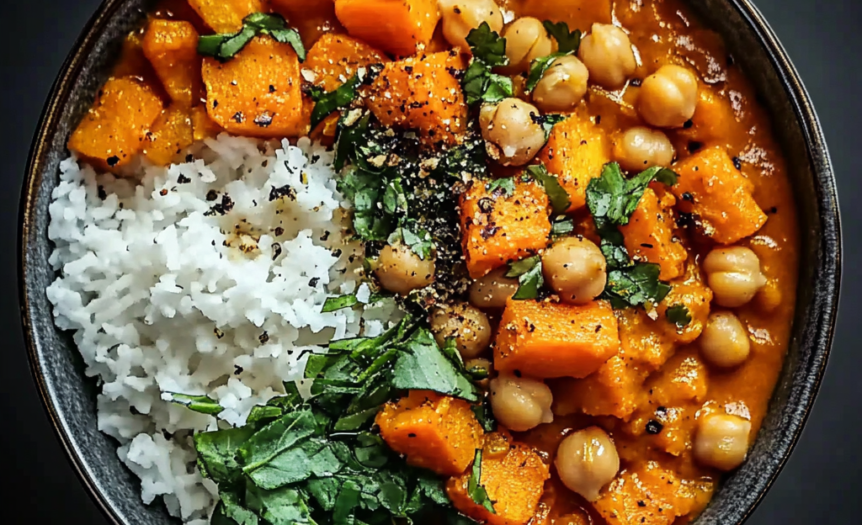
This sweet potato and chickpea curry is pure comfort food that happens to be incredibly healthy, satisfying, and packed with warm spices that make your whole kitchen smell like heaven. Tender chunks of sweet potato and hearty chickpeas simmer in a rich, creamy coconut curry sauce that’s perfectly balanced between sweet, savory, and just a touch of heat that warms you from the inside out. What I absolutely love about this recipe is how it transforms simple, wholesome ingredients into something that tastes exotic and restaurant-worthy, yet it’s surprisingly easy to make on a busy weeknight when you want something nourishing and soul-satisfying. I started making this during the colder months when I craved something warming and substantial, but it’s become such a year-round favorite that I now make big batches to freeze because it’s the kind of meal that makes everything feel better.
Why This Sweet Potato and Chickpea Curry Actually Works
The magic of this curry lies in building layers of flavor through proper technique – starting with aromatic spices that get bloomed in oil to release their essential oils, then building a base with onions, garlic, and ginger that becomes sweet and fragrant as it cooks. The sweet potatoes break down slightly as they simmer, naturally thickening the sauce while adding earthiness and subtle sweetness that balances the warm spices beautifully.
What makes this curry so satisfying and restaurant-quality is the combination of textures and the way the coconut milk creates a rich, creamy base that carries all the spice flavors perfectly. The chickpeas add protein and substance, making this a complete meal that’s filling without being heavy. The key to incredible flavor is using whole spices when possible and taking time to properly cook each layer – the onions until golden, the spices until fragrant, and letting everything simmer together long enough for the flavors to meld and deepen.
Key Benefits That Make This Worth Making
Naturally Plant-Based Powerhouse – This curry is packed with protein from chickpeas, complex carbs from sweet potatoes, and healthy fats from coconut milk, creating a nutritionally complete meal that’s naturally vegan and gluten-free. It’s the kind of healthy food that actually tastes indulgent and satisfying.
Perfect for Meal Prep and Batch Cooking – This recipe makes a generous amount and actually improves in flavor as it sits, making it ideal for meal prepping or feeding a crowd. It freezes beautifully for up to 3 months and reheats perfectly, so you can always have a wholesome, homemade meal ready when life gets busy.
Budget-Friendly Comfort Food – Sweet potatoes and chickpeas are inexpensive, nutrient-dense ingredients that create a filling, satisfying meal for a fraction of what you’d pay for takeout curry. One batch can easily serve 6-8 people or provide multiple meals for smaller households.
Completely Customizable – This recipe is incredibly forgiving and adaptable. You can adjust the spice level, add different vegetables, make it heartier with extra chickpeas, or change up the spices based on what you have in your pantry. It’s a great foundation recipe that you can make your own.
Complete Ingredients Breakdown
2 Large Sweet Potatoes (about 2 pounds, peeled and cubed) Choose sweet potatoes that are firm, smooth-skinned, and heavy for their size without any soft spots or sprouts. The orange-fleshed varieties work best for this curry because they become creamy and slightly sweet as they cook, naturally thickening the sauce. Cut them into 1-inch cubes for even cooking – pieces that are too small will turn to mush, while too-large pieces won’t cook through properly.
2 Cans (15 oz each) Chickpeas (drained and rinsed) Use high-quality canned chickpeas that are firm and uniform in size. Rinse them thoroughly to remove the thick liquid they’re packed in, which can make your curry cloudy and too starchy. If you prefer cooking from dried chickpeas, use about 1½ cups dried (soaked overnight and cooked until tender), but canned chickpeas are perfectly fine and much more convenient.
1 Large Yellow Onion (diced) Yellow onions become sweet and jammy when cooked slowly, creating the perfect base for your curry. Dice them fairly small and uniformly so they cook evenly and integrate well into the sauce. The onions should be firm and pungent when raw – avoid any that are soft, sprouting, or have papery outer layers that slide off easily.
4 Garlic Cloves (minced) Fresh garlic is absolutely essential for authentic curry flavor. The cloves should be firm and plump, not dried out or sprouting green shoots. Mince them finely so they distribute evenly and cook quickly without burning. If you love garlic, feel free to use 5-6 cloves for extra depth of flavor.
2-Inch Piece Fresh Ginger (peeled and minced) Fresh ginger adds warmth and complexity that ground ginger simply can’t match. Choose ginger that’s firm and smooth-skinned, not wrinkled or soft. Peel it with the edge of a spoon to remove just the thin skin, then mince it finely. The fresh ginger will mellow as it cooks but adds incredible aromatic depth to the curry.
2 Tablespoons Coconut Oil (or vegetable oil) Coconut oil complements the coconut milk beautifully and adds subtle tropical notes, but any neutral oil works fine. If using coconut oil, don’t worry if it’s solid – it will melt quickly when heated. The oil helps bloom the spices and prevents the aromatics from sticking to the pan.
2 Teaspoons Ground Cumin Cumin adds earthy, warm flavor that’s essential to most curry spice blends. Make sure your cumin is relatively fresh – it should smell strongly aromatic, not dusty or weak. If you have whole cumin seeds, toast them lightly in a dry pan and grind them yourself for even better flavor.
2 Teaspoons Ground Coriander Coriander seeds have a citrusy, slightly sweet flavor that balances the earthiness of cumin perfectly. Like cumin, freshly ground coriander from whole seeds tastes much better than pre-ground, but good quality pre-ground coriander works fine for convenience.
1 Teaspoon Turmeric Turmeric gives the curry its beautiful golden color and adds earthy, slightly bitter notes that deepen the overall flavor. It also provides anti-inflammatory benefits. A little goes a long way – too much can make the curry bitter, so stick to the measured amount unless you’re very experienced with turmeric.
1 Teaspoon Garam Masala This warming spice blend typically contains cinnamon, cardamom, cloves, and other aromatic spices. Different brands vary in intensity and composition, so start with the suggested amount and adjust to taste. Good garam masala should smell intensely aromatic and complex – if yours smells weak, you might need to use a bit more.
½ Teaspoon Smoked Paprika Smoked paprika adds depth and a subtle smoky flavor that makes this curry taste more complex and restaurant-like. Regular paprika can substitute but won’t provide the same depth. Hungarian smoked paprika is particularly good if you can find it.
¼ Teaspoon Cayenne Pepper (or to taste) This provides the heat in your curry, so adjust according to your spice tolerance. Start with less if you’re sensitive to heat – you can always add more, but you can’t take it out. The heat should be warming rather than overwhelming, allowing you to taste all the other beautiful flavors.
1 Can (14 oz) Diced Tomatoes Use good quality canned tomatoes – San Marzano if you can find them, but any high-quality brand works. The tomatoes add acidity that balances the richness of the coconut milk and helps break down the sweet potatoes. Don’t drain them – you want both the tomatoes and their juice.
1 Can (14 oz) Full-Fat Coconut Milk Full-fat coconut milk is crucial for rich, creamy texture – don’t substitute with light coconut milk or the curry will be thin and less satisfying. Shake the can well before opening, as the cream and liquid often separate. Thai brands like Mae Ploy or Chaokoh tend to be richer and more flavorful than some other brands.
2 Cups Vegetable Broth Use good quality vegetable broth for the best flavor – it should taste like something you’d want to drink on its own. Low-sodium is preferable so you can control the salt level. If you only have chicken broth, that works too, though it won’t be vegan. You can also use water if needed, but broth adds important depth of flavor.
1 Tablespoon Tomato Paste Tomato paste adds concentrated umami flavor and helps thicken the sauce slightly. Look for tomato paste in tubes if possible – it’s more convenient and fresher-tasting than canned. If using canned, store leftover paste in the freezer in tablespoon-sized portions for future use.
1 Teaspoon Salt (or to taste) Start with this amount and adjust after the curry has simmered and the flavors have developed. Different broths contain varying amounts of sodium, so always taste before adding more salt. Sea salt or kosher salt have better flavor than table salt.
¼ Teaspoon Black Pepper Freshly ground black pepper is best, but pre-ground works fine. The pepper should enhance the other spices without overpowering them. Black pepper also helps your body absorb the beneficial compounds in turmeric more effectively.
2 Tablespoons Fresh Lime Juice Fresh lime juice brightens all the rich, warm flavors and adds essential acidity that balances the creamy coconut milk. Use fresh lime juice, not bottled – the difference is significant. Add this at the very end of cooking to preserve the bright, fresh flavor.
¼ Cup Fresh Cilantro (chopped, for garnish) Fresh cilantro adds color and bright, herbaceous flavor that cuts through the richness beautifully. If you’re not a cilantro fan, you can substitute with fresh parsley or simply omit it. Make sure the cilantro is fresh and bright green, not wilted or yellowing.
Cooked Basmati Rice (for serving) Basmati rice has the perfect texture and subtle aroma that complements curry beautifully. Cook it according to package directions and let it rest for 5 minutes before fluffing with a fork. You can also serve this curry over quinoa, brown rice, or with naan bread for scooping.
Step-by-Step Instructions
1. Heat the coconut oil in a large, heavy-bottomed pot or Dutch oven over medium heat. A heavy bottom prevents hot spots and ensures even cooking, which is crucial for properly developing the spice flavors without burning them.
2. Add the diced onion to the hot oil and cook for 5-7 minutes, stirring occasionally, until softened and starting to turn golden around the edges. Don’t rush this step – properly cooked onions create the sweet, aromatic base that makes your curry taste authentic and deeply flavored.
3. Add the minced garlic and ginger to the pot and cook for another 1-2 minutes, stirring constantly to prevent burning. The mixture should become very fragrant and aromatic. If the pan seems too hot and things are browning too quickly, reduce the heat slightly.
4. Add all the dry spices – cumin, coriander, turmeric, garam masala, smoked paprika, and cayenne – to the pot and stir constantly for 30-60 seconds until they become very fragrant. This blooming process releases the essential oils in the spices and creates the flavor foundation for your curry.
5. Stir in the tomato paste and cook for another minute, stirring constantly, until it darkens slightly and becomes very fragrant. This step concentrates the tomato flavor and adds depth to the overall sauce.
6. Add the diced tomatoes with their juice, stirring to combine with the spice mixture. Let this cook for 3-4 minutes, stirring occasionally, until the tomatoes start to break down and release their juices, creating a thick, saucy base.
7. Pour in the coconut milk and vegetable broth, stirring well to combine everything smoothly. The mixture should be well-blended with no lumps of coconut milk or spice paste. Bring the mixture to a gentle simmer over medium heat.
8. Add the cubed sweet potatoes and drained chickpeas to the pot, stirring gently to coat them with the curry sauce. The liquid should just cover the vegetables – if it doesn’t, add a bit more broth or water.
9. Season with salt and black pepper, then bring the curry to a boil. Once boiling, reduce the heat to low, cover the pot, and let it simmer for 20-25 minutes, stirring occasionally, until the sweet potatoes are fork-tender and the flavors have melded together beautifully.
10. Taste and adjust seasoning – you might need more salt, a pinch more cayenne for heat, or a squeeze of lime juice for brightness. The curry should taste well-balanced with no single flavor dominating. Remove from heat and stir in the fresh lime juice and half the cilantro.
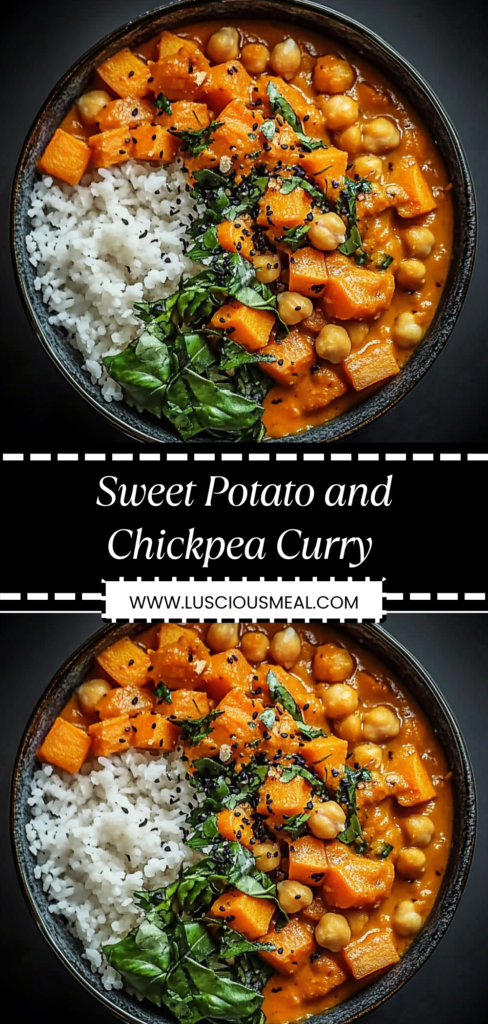
11. Serve hot over fluffy basmati rice, garnished with the remaining fresh cilantro. The curry is even better the next day as the flavors continue to develop, making it perfect for meal prep or leftovers.
Pro Tips & Variations
Storage and Reheating: This curry keeps beautifully in the refrigerator for up to 5 days and actually improves in flavor as it sits. Reheat gently on the stovetop over low heat, adding a splash of broth or water if it’s thickened too much. It also freezes perfectly for up to 3 months – thaw overnight in the refrigerator before reheating.
Vegetable Variations: Feel free to add other vegetables like cauliflower, bell peppers, spinach, or green beans. Add harder vegetables like cauliflower with the sweet potatoes, and stir in softer greens like spinach during the last 5 minutes of cooking. Frozen peas added at the very end provide nice color and sweetness.
Protein Additions: While this curry is satisfying on its own, you can add extra protein by stirring in some cooked lentils, diced firm tofu, or even leftover roasted chicken during the last 10 minutes of cooking. Each addition changes the character slightly but keeps it delicious.
Spice Level Customization: This recipe is moderately spiced as written, but you can easily adjust it to your preferences. For milder curry, reduce or omit the cayenne and add a touch of honey or maple syrup to balance any heat. For more heat, add extra cayenne, red pepper flakes, or a diced jalapeño with the onions.
Troubleshooting Common Issues
“My sweet potatoes are falling apart/too mushy” – This usually means they’ve been overcooked or cut too small. Sweet potatoes should be tender but still hold their shape. Next time, cut them into larger pieces (about 1½ inches) and check for doneness after 15-20 minutes of simmering.
“The curry is too thin/watery” – Let it simmer uncovered for 10-15 minutes to reduce and thicken naturally. You can also mash some of the sweet potato pieces against the side of the pot to help thicken the sauce. If it’s still too thin, mix 1 tablespoon of cornstarch with 2 tablespoons of cold water and stir it in.
“It’s too spicy/not spicy enough” – For too much heat, add a can of coconut milk or some sugar/honey to balance it out. For more heat, add cayenne gradually until you reach your preferred level. Remember that the heat will develop as it sits, so taste again after 10 minutes.
“The flavors seem flat or one-dimensional” – This is usually a salt and acid issue. Add more salt gradually until the flavors brighten and pop, then add lime juice to balance the richness. Also make sure your spices are fresh – old spices can make curry taste dusty rather than vibrant.
“My spices burned and taste bitter” – If you accidentally burn the spices, there’s no saving it – start over with fresh ingredients. To prevent this, keep the heat at medium or medium-low when blooming spices, and stir constantly. If things start browning too quickly, reduce the heat immediately.